Terraform IAM Secrets: Best Practices
Zero secrets in state: use ephemeral resources, secret managers, encryption and least-privilege IAM to prevent credential leaks in Terraform.
Read moreBlog posts in the Data Protection category

Zero secrets in state: use ephemeral resources, secret managers, encryption and least-privilege IAM to prevent credential leaks in Terraform.
Read more
How DevOps integrate encryption, automate key rotation, enforce TLS and use tokenisation to meet PCI DSS 4.0.1 without slowing CI/CD.
Read more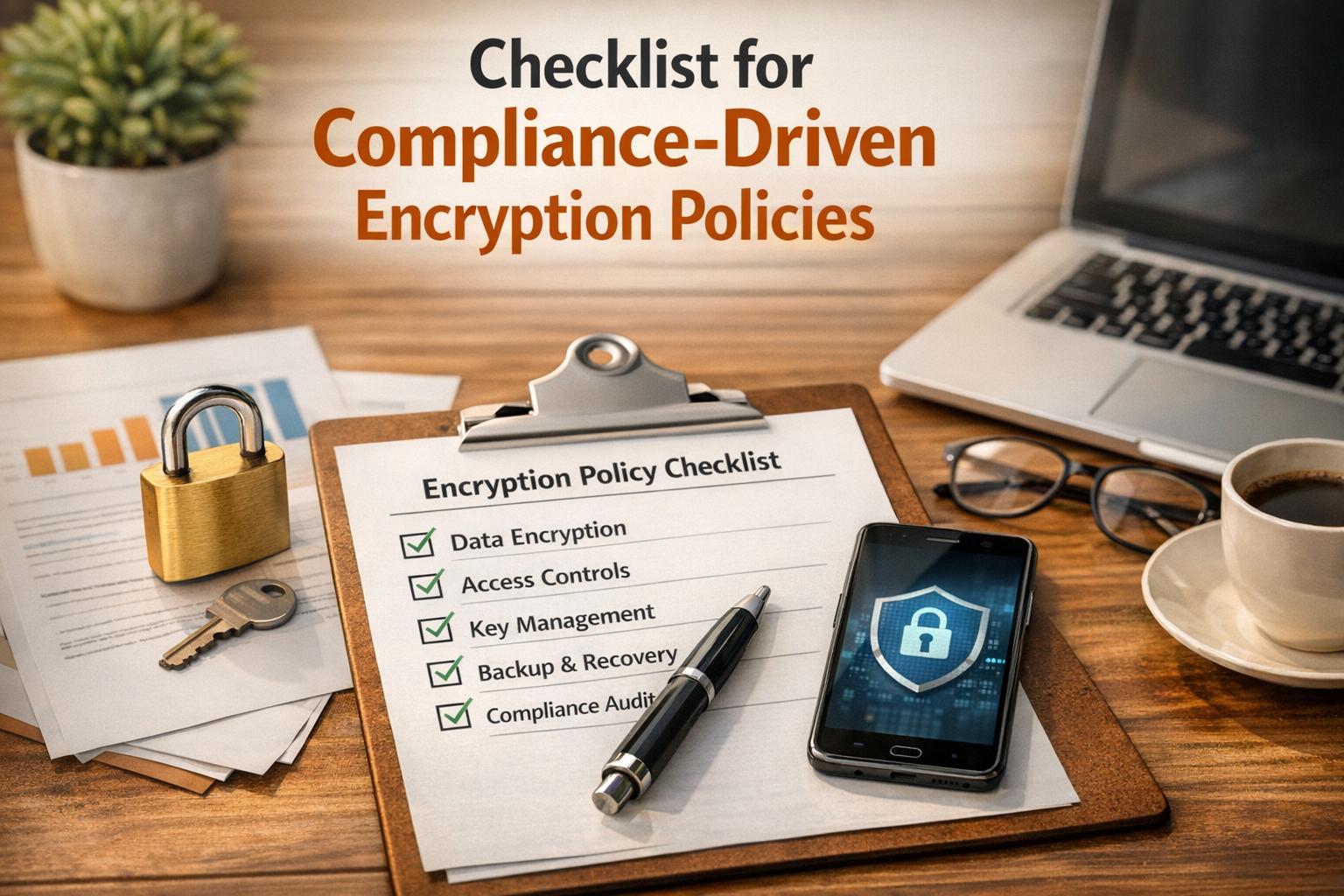
Checklist to build encryption policies for UK GDPR: AES-256, TLS 1.3, key management, retention, secure deletion, audits and access control.
Read more
Practical guide to validating cloud systems: performance, security, scalability, test planning, automation and continuous monitoring to minimise risk.
Read more
Guide to logging in private cloud environments: what to log, retention, centralisation, automation, encryption and GDPR-compliant practices.
Read more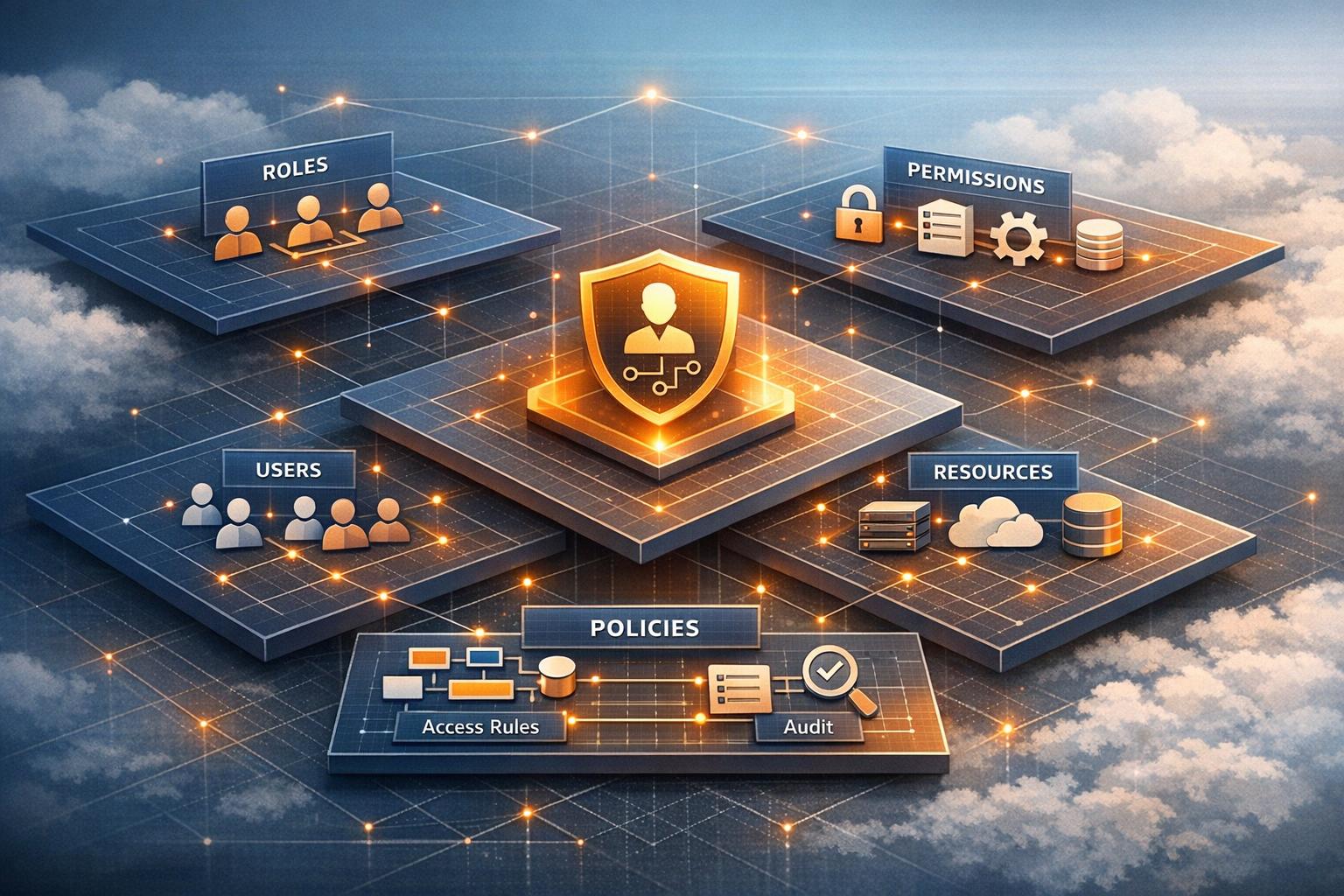
Five-step guide to assess, define, assign, test and monitor RBAC in cloud environments using least-privilege principles and UK compliance.
Read more
Encrypt IoT data across the hybrid cloud lifecycle — device, transit, storage and processing — using TLS/AES, hardware key storage and automated UK GDPR compliance.
Read more
Secure hybrid cloud networks with VPNs: IPsec best practices, Site-to-Site and Remote Access setups, AWS/Azure integration, BGP failover, encryption and cost control.
Read more
Guide to secure key generation, storage, rotation and revocation using open-source tools and cloud techniques to protect data and meet compliance.
Read more
UK organisations handling US health data must secure software artifacts — encrypt, enforce RBAC/MFA, maintain audit trails & BAAs to meet HIPAA and avoid fines.
Read more
Continuous MFA monitoring with centralised logs, anomaly detection and phishing-resistant authenticators is essential to close compliance gaps and stop identity attacks.
Read more
Manage Kubernetes preemption risks—misconfigured priorities, affinity deadlocks and abrupt terminations—and use PriorityClasses, PDBs, ResourceQuotas and monitoring.
Read more