US Copyright Office: AI Authorship Report Explained
Explains when human input makes AI outputs copyrightable, and what records and disclosures to keep for registration.
Read moreBlog posts in the Compliance Management category
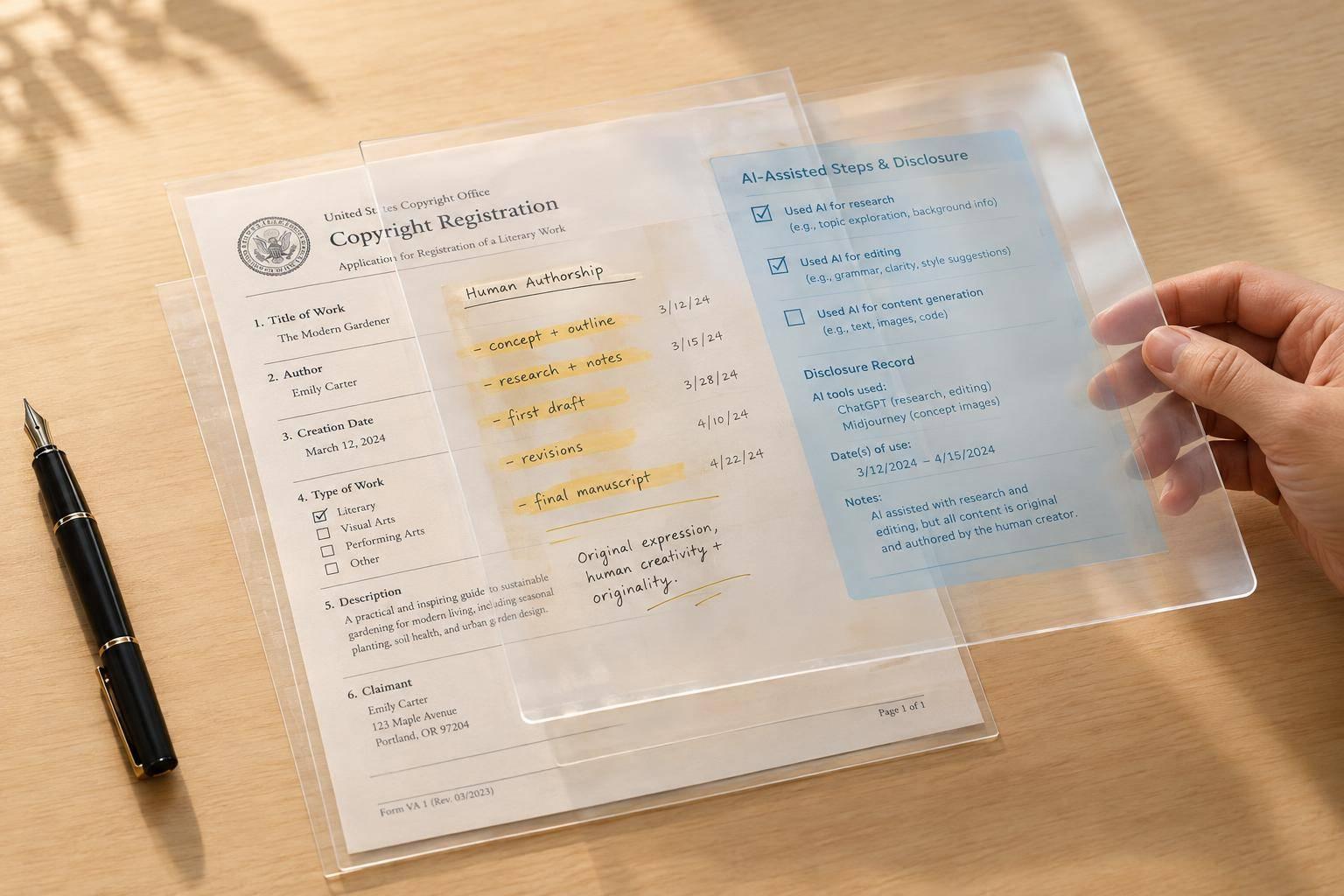
Explains when human input makes AI outputs copyrightable, and what records and disclosures to keep for registration.
Read more
Staged messaging for AI pilots to rollout: owners, approvals, audience timing, evidence, and pause rules.
Read more
Version, test and release prompts safely: setup, aliases, application loading, approvals and rollback best practices.
Read more
Peer AI champions coach safe, task-focused AI use with clear role limits, protected time and escalation for specialist risks.
Read more
Deploy a read-only SharePoint connector for AI agents with access checks, minimal Graph permissions, cited retrieval and testing.
Read more
Use self-consistency: sample varied LLM answers, normalise final responses, count votes and independently verify the leading answer.
Read more
Test prompt versioning tools against seven mandatory controls—immutable history, diffs, release labels, rollback, approvals, environment isolation and auditability.
Read more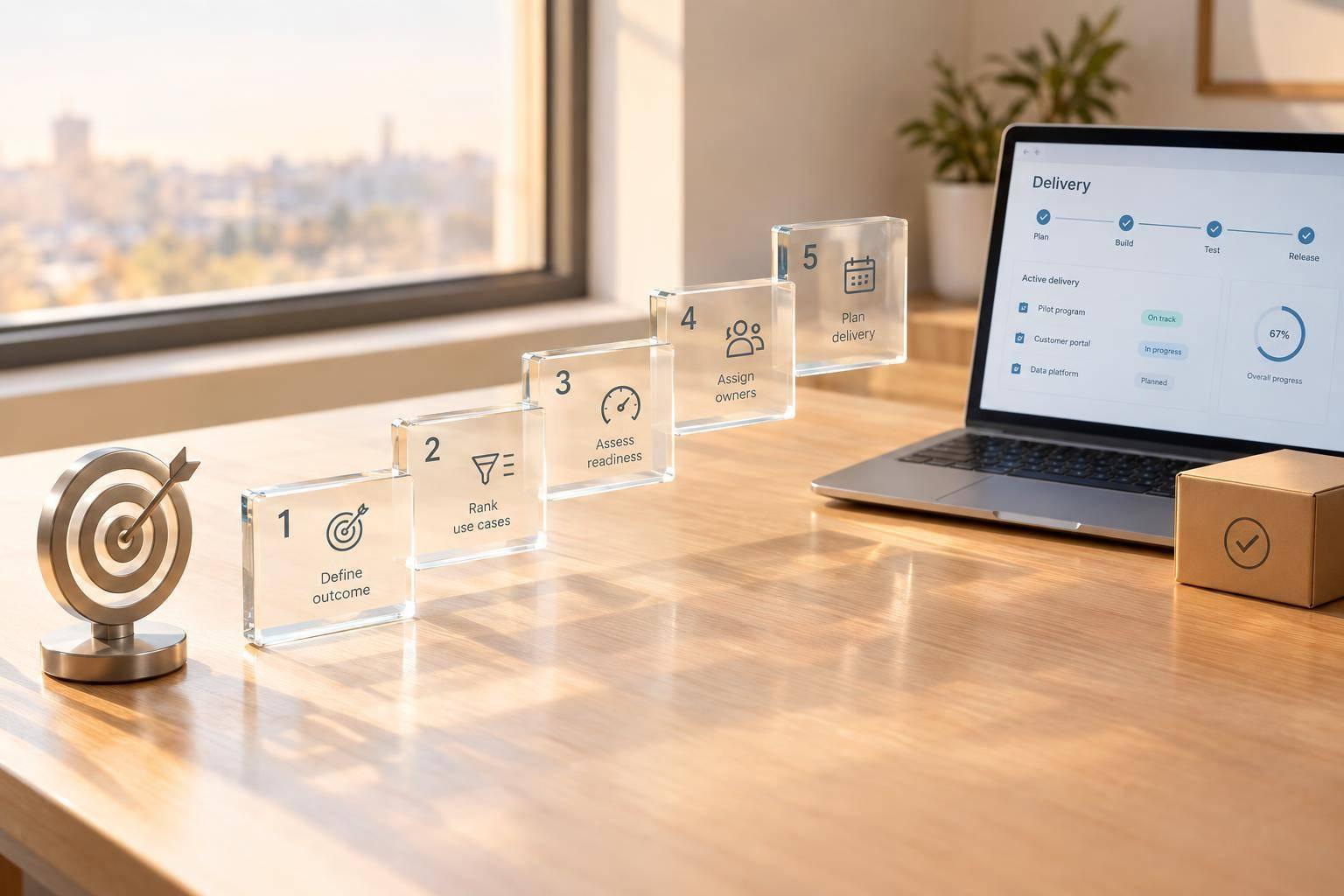
Turn one business goal into a controlled AI pilot in five steps: define outcome, rank use cases, check readiness, assign owners and plan delivery.
Read more
Compare six tools for staffing, environment bookings and release workflows; prioritise bottlenecks, verify data and run a UK pilot.
Read more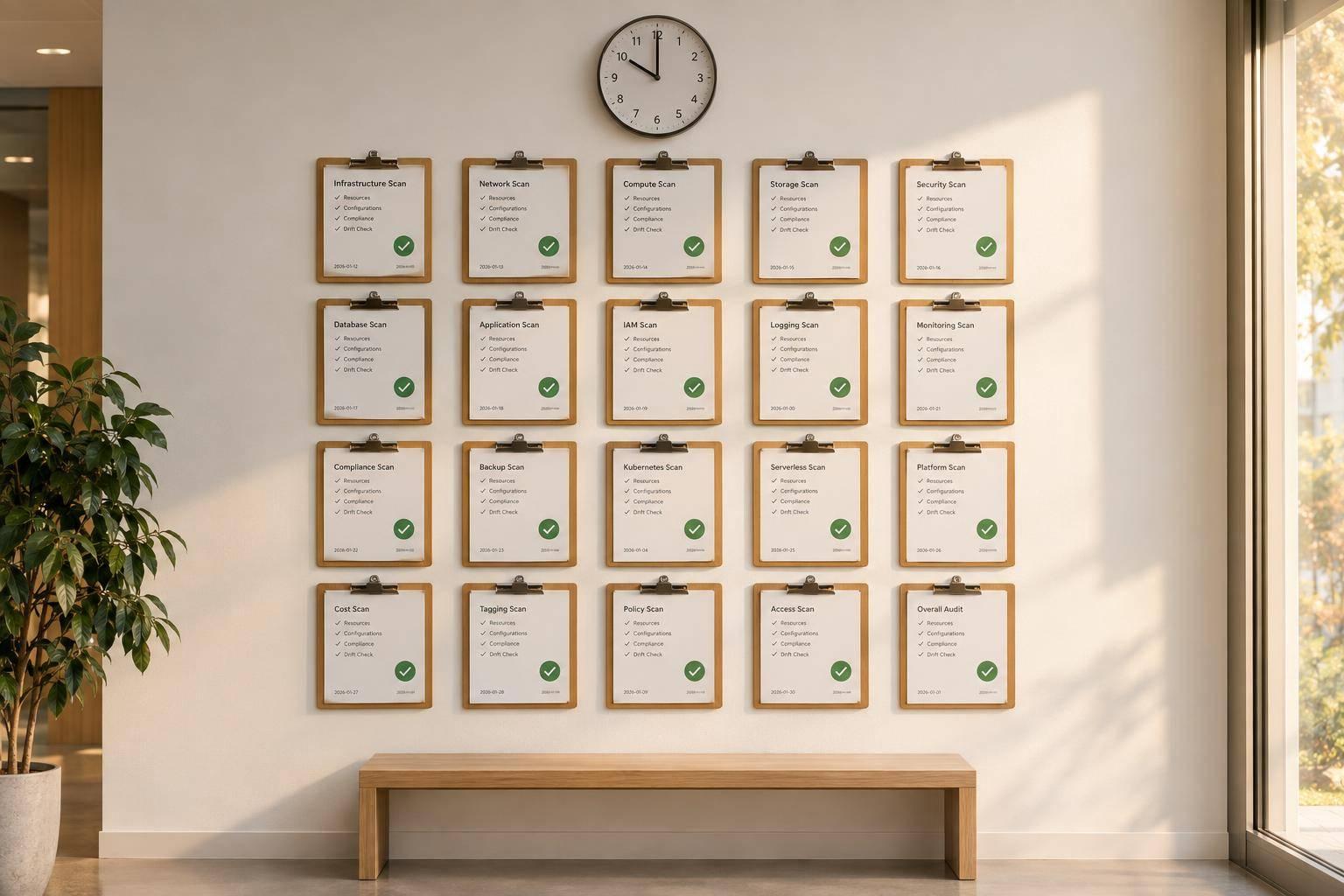
Measure IaC drift by verified fixes, not alerts: ensure estate-wide coverage, timed scans, policy approvals and audit-ready closures.
Read more
Pick the GitOps model that matches your on-call, approval and Helm needs — ensure one reconciler per mesh resource to avoid drift.
Read more
Compare seven cloud security monitoring tools by coverage, setup, alert quality, compliance and DevOps fit to pick the right tool.
Read more