Building AI Agent Message Flows with Azure Service Bus
Set up queues, topics and versioned message contracts for session-ordered AI agent workflows with retries, security and dead-letter recovery.
Read moreBlog posts in the Cloud Computing category

Set up queues, topics and versioned message contracts for session-ordered AI agent workflows with retries, security and dead-letter recovery.
Read more
Compare seven cloud security monitoring tools by coverage, setup, alert quality, compliance and DevOps fit to pick the right tool.
Read more
Six cross-account IAM patterns, controls and risks for AWS: CI/CD, logging, security tooling, data, break‑glass and vendor access.
Read more
DNS-based global load balancers prevent regional outages, reduce latency and unify multi-region services under one hostname.
Read more
Compare IAM models, conditional controls, logging and access reviews across AWS, Azure and GCP to pick the right cloud identity approach.
Read more
Decide per-tenant or shared KMS keys, enforce tenant_id in every crypto call, separate admin/runtime, tag, rotate and monitor costs.
Read more
Compare cloud KMS, HSM and control layers to plan post‑quantum key migration for long‑life data and regulated workloads.
Read more
Practical guidance on structuring Terraform for multi-cloud: split state, simple modules, secure identities and cost controls.
Read more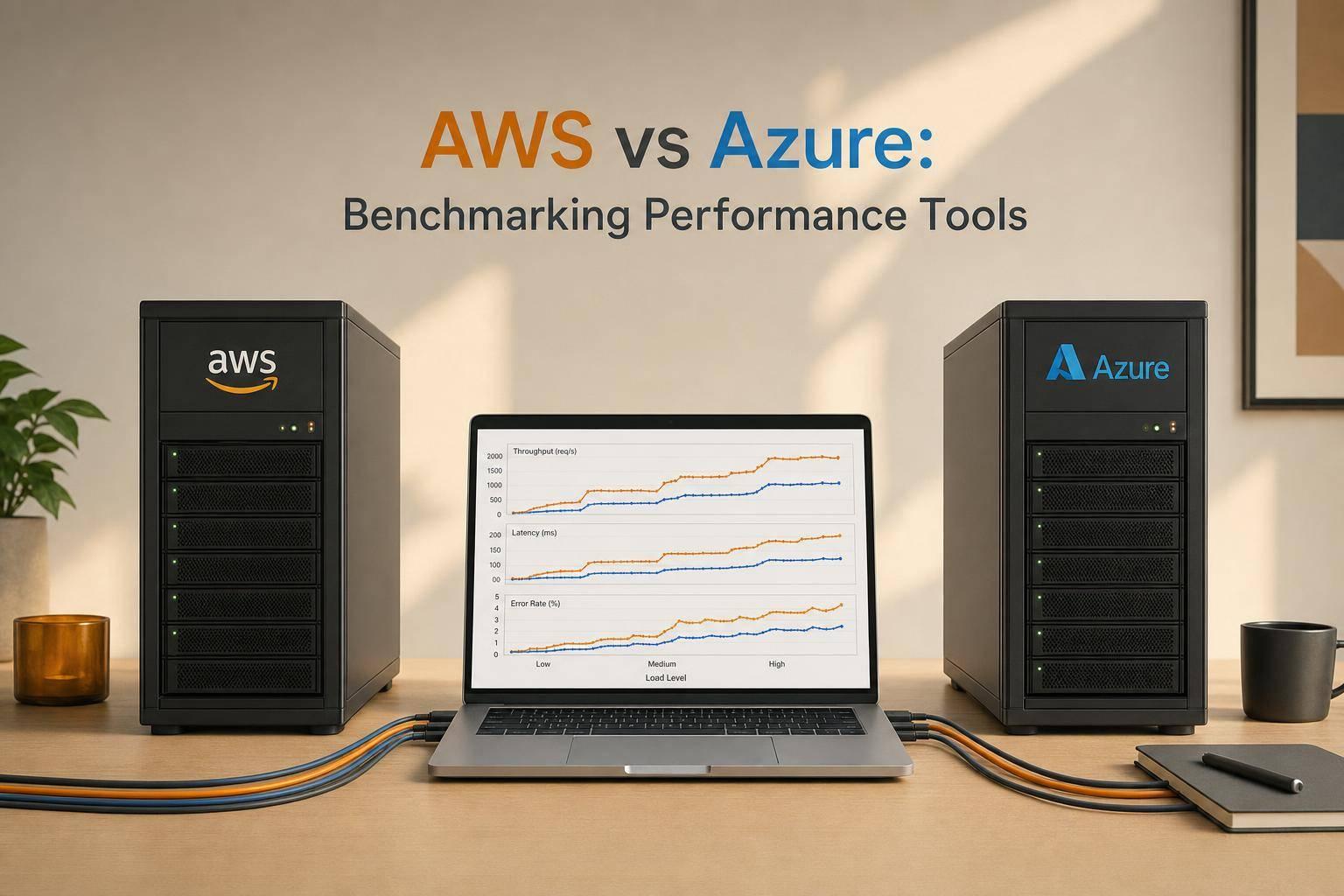
Managed testing is faster to start, but deeper control needs more setup — benchmark at multiple load levels with the same external tool.
Read more
Map identity sources, match each app to SAML/OIDC/OAuth, centralise policies, phase rollouts and test failover for resilient hybrid SSO.
Read more
Use hybrid cloud segmentation to separate production, secure regulated data, limit lateral movement and protect app performance.
Read more
CMEK is a control model: use separate KMS projects, enforce org policies, separate IAM, rotate keys safely and monitor.
Read more