AI Agent Workflows: How Saved States Support Recovery
Save durable checkpoints, replay recorded results and use idempotency to recover AI agent workflows without duplicating external actions.
Read moreBlog posts in the Disaster Recovery category

Save durable checkpoints, replay recorded results and use idempotency to recover AI agent workflows without duplicating external actions.
Read more
Checklist-driven guide to designing durable stateful containers: storage, replication, StatefulSets, backups, RPO/RTO and tested failover.
Read more
Set RTO/RPO, replicate state, control writes and test DNS failover to keep serverless apps resilient across regions.
Read more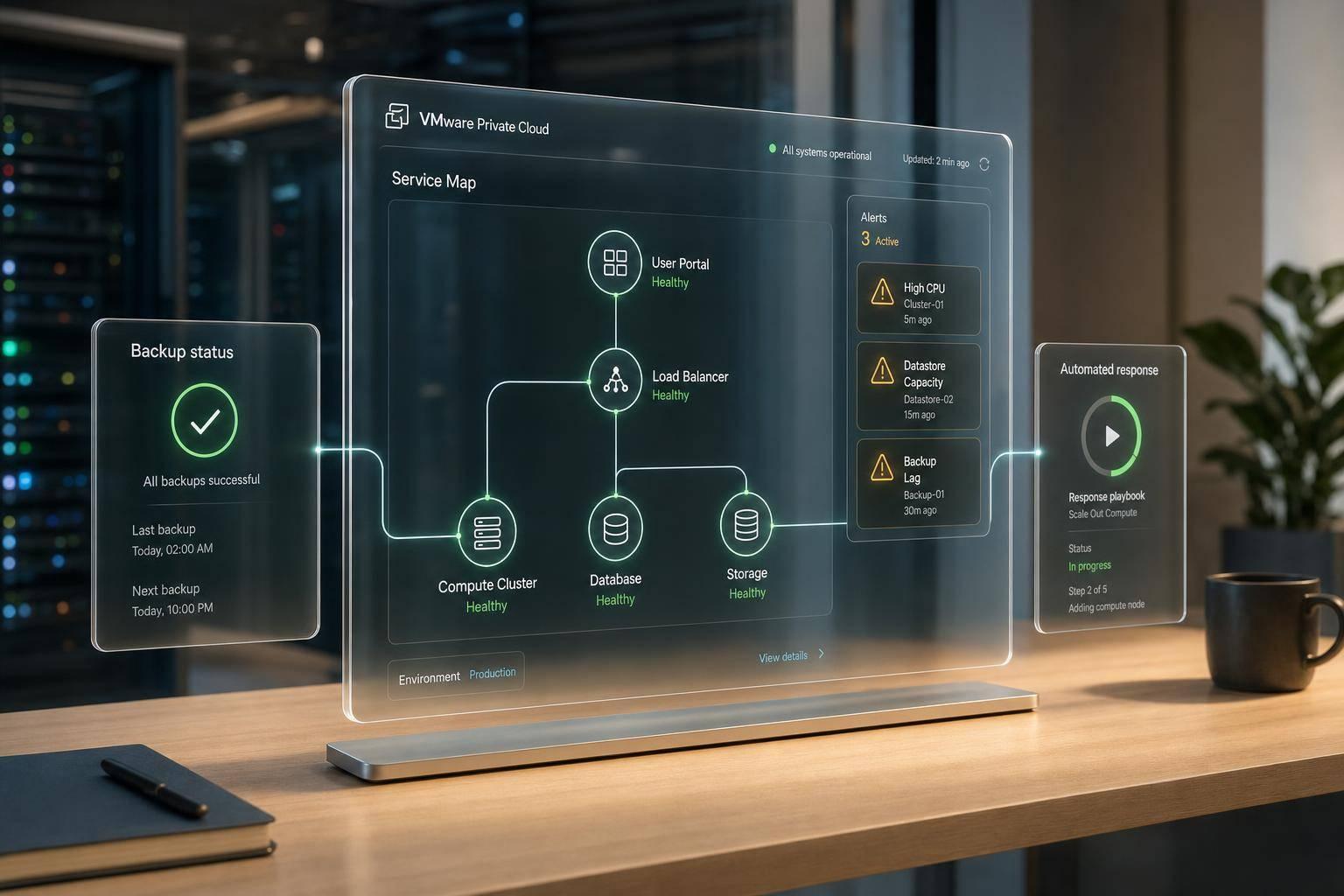
Prioritise key VMware signals, link backup job status to service maps, and automate incident response to reduce alert noise.
Read more
DNS-based global load balancers prevent regional outages, reduce latency and unify multi-region services under one hostname.
Read more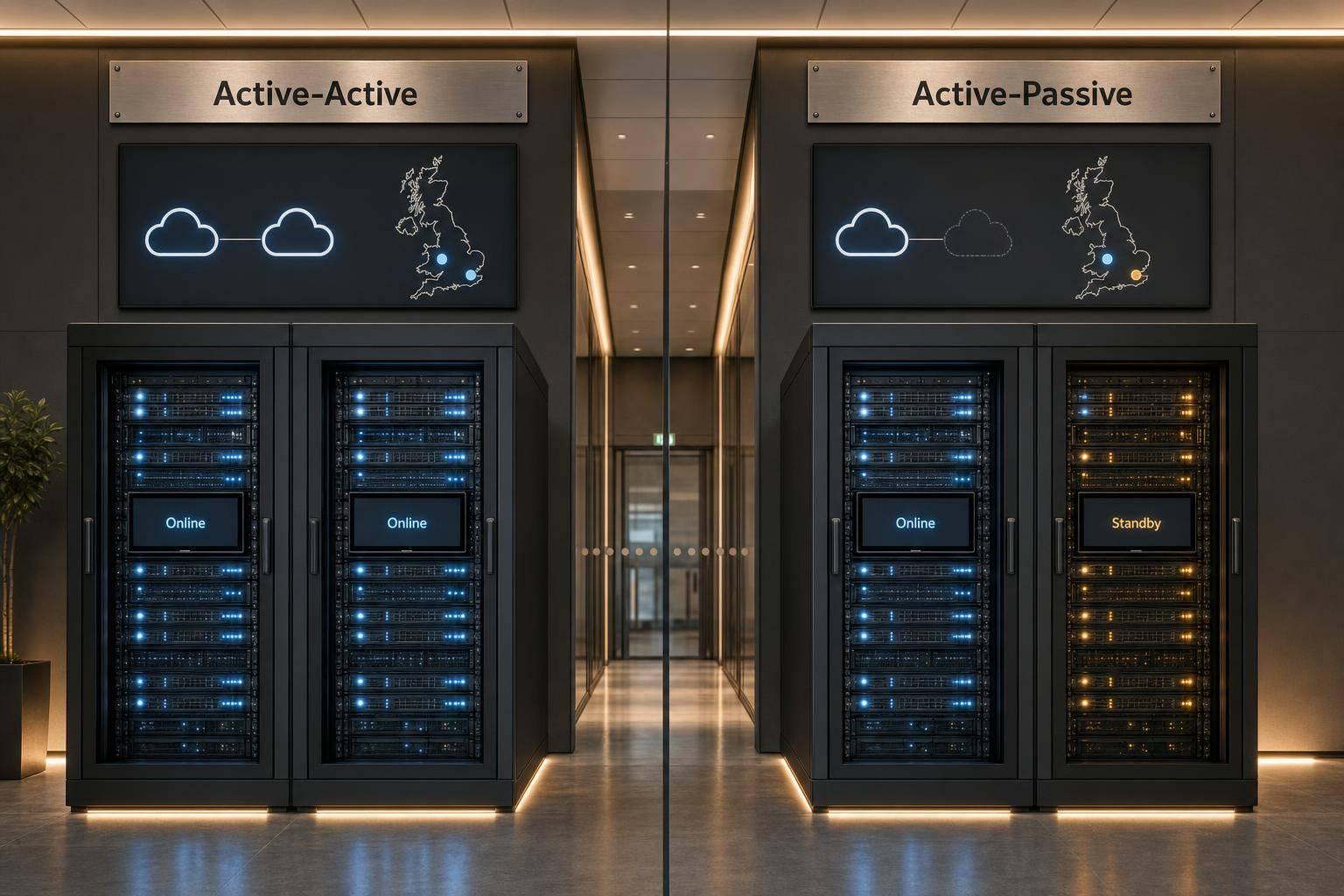
Compare active-active and active-passive multi-cloud Kubernetes: cost, RTO/RPO, data consistency and team impact for UK organisations.
Read more
Assess cloud vendors: classify services, verify security and resilience, set contract rights, define control ownership and plan exit.
Read more
Multi-region cloud setups can cost 2–3× single-region: focus on data transfer, regional pricing, redundancy, tooling and autoscaling.
Read more
If one fault can stop traffic, it's a design issue—align hybrid cloud topology to RTO/RPO with dual paths, auto failover and matched security.
Read more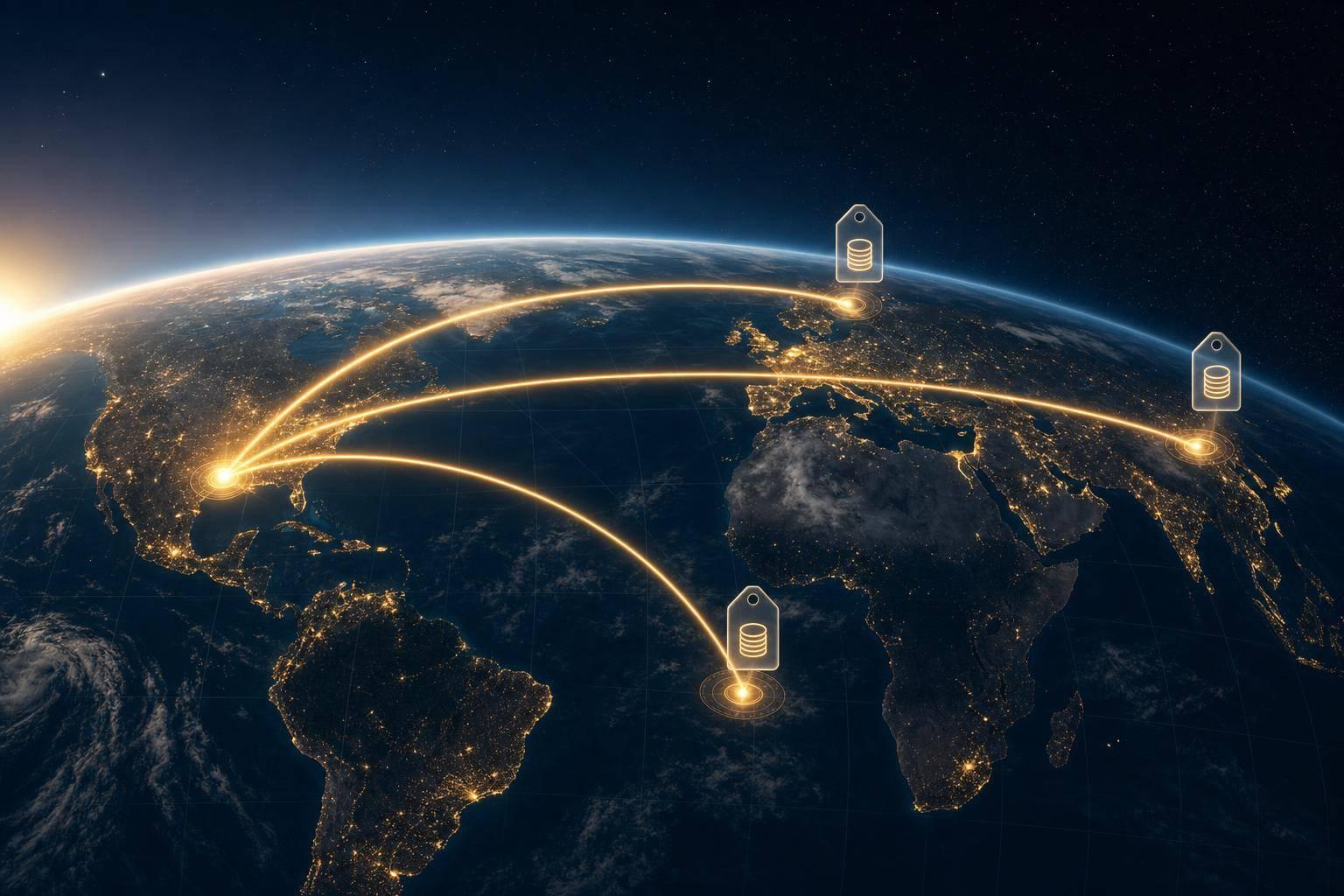
Explains cross-region transfer, destination storage and service fees across S3, RDS, Aurora and EBS, with practical cost-saving steps.
Read more
Treat every CI/CD version bump as a risk: check compatibility, test in staging, rehearse rollback, and verify post-release.
Read more
Map identity sources, match each app to SAML/OIDC/OAuth, centralise policies, phase rollouts and test failover for resilient hybrid SSO.
Read more