How to Implement Supervisor–Worker AI Coordination
Five controls for safe supervisor–worker AI workflows: task contracts, capability routing, supervisor-owned state, result checks and bounded retries.
Read moreBlog posts in the Automation category

Five controls for safe supervisor–worker AI workflows: task contracts, capability routing, supervisor-owned state, result checks and bounded retries.
Read more
Measure AI-agent ROI by attributable cash: set a locked baseline, count full AI costs, separate time savings and model monthly payback.
Read more
Run independent tool calls concurrently with permission checks, timeouts and safe retries to cut latency while preserving state.
Read more
Use iteration, token and spend caps plus atomic budget reservation to stop agent loops and control AI costs.
Read more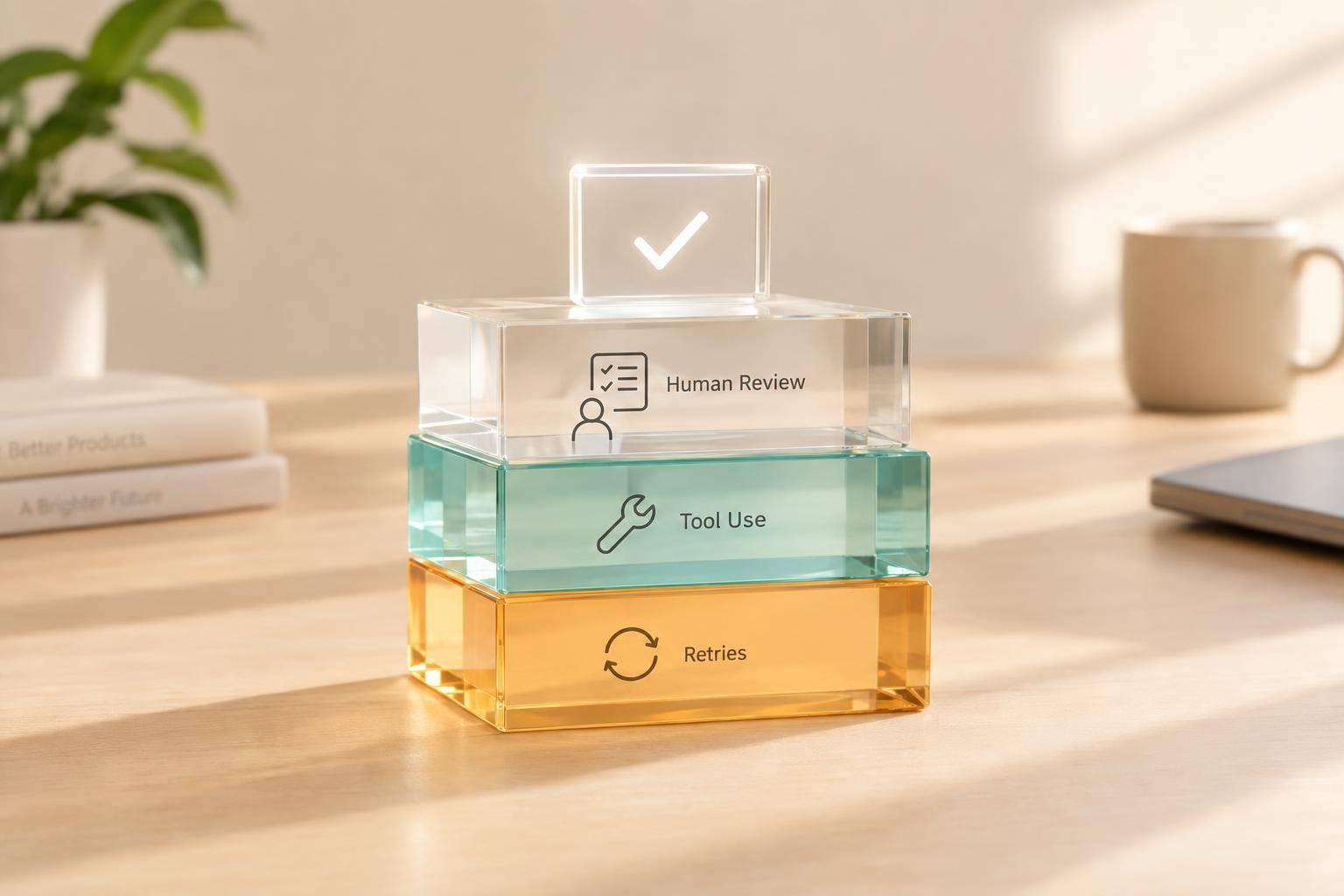
Measure AI agent cost as total delivery spend / accepted tasks — include retries, tools and human review to reveal true per-task cost.
Read more
Build deterministic AI agent workflows using shared state, ordered checks and three clear exits: SUCCESS, RETRY or ESCALATE.
Read more
Turn one business goal into a controlled AI pilot in five steps: define outcome, rank use cases, check readiness, assign owners and plan delivery.
Read more
Save durable checkpoints, replay recorded results and use idempotency to recover AI agent workflows without duplicating external actions.
Read more
Pick the GitOps model that matches your on-call, approval and Helm needs — ensure one reconciler per mesh resource to avoid drift.
Read more
Why ConfigMap edits don't restart Pods, how mounts and env vars behave, and when to use restarts, checksums, or reloaders.
Read more
Block most pipeline risk before release: shift security checks left, only block high-risk issues, and retain signed artefact evidence.
Read more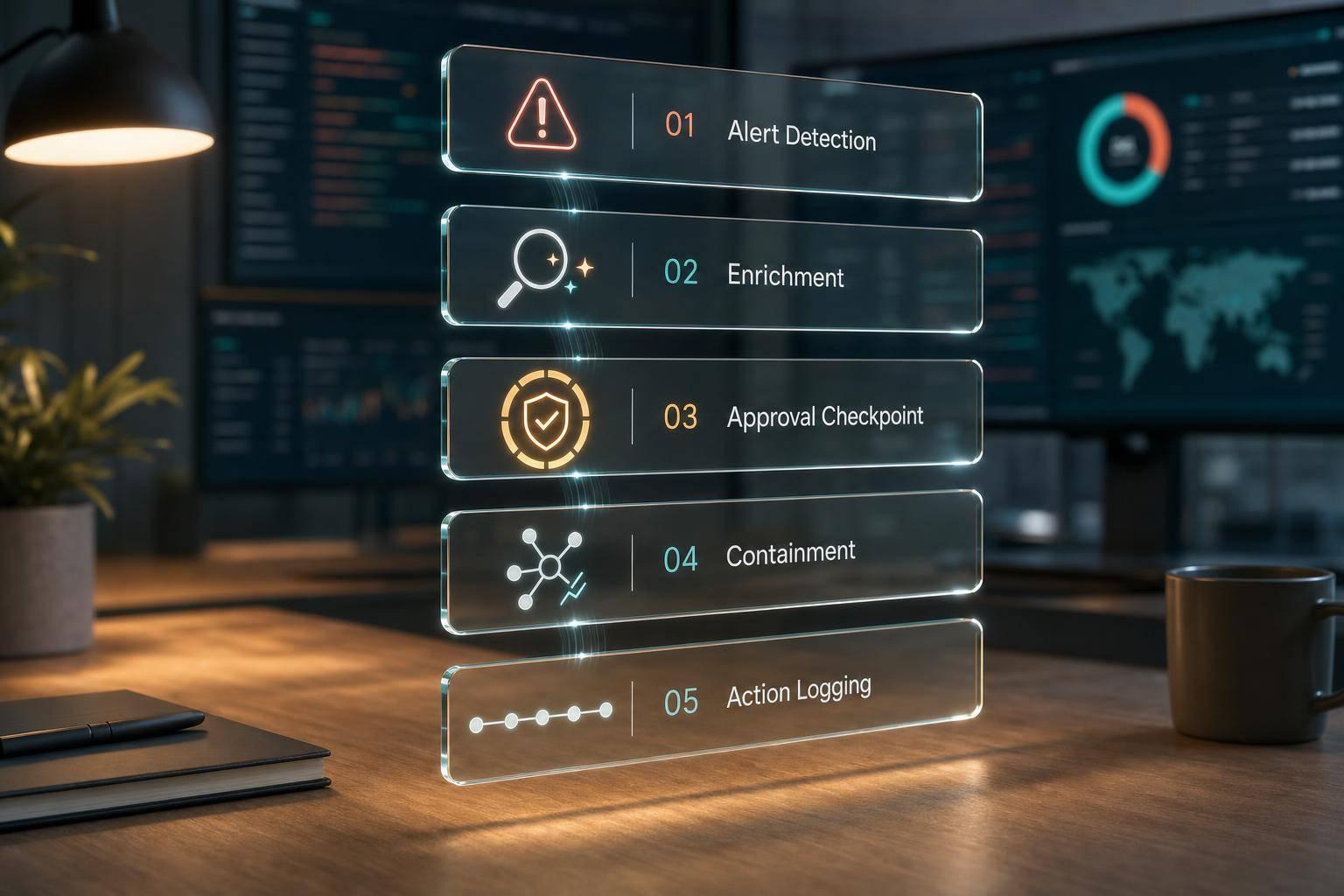
Normalise and enrich alerts, enforce approval gates for risky containment, log every action and reduce MTTR safely.
Read more