Building AI Agent Message Flows with Azure Service Bus
Set up queues, topics and versioned message contracts for session-ordered AI agent workflows with retries, security and dead-letter recovery.
Read moreBlog posts in the Cloud Optimization category

Set up queues, topics and versioned message contracts for session-ordered AI agent workflows with retries, security and dead-letter recovery.
Read more
Track every model call, normalise tokens, convert rates to GBP, attribute costs to tasks and monitor spend.
Read more
Use iteration, token and spend caps plus atomic budget reservation to stop agent loops and control AI costs.
Read more
Compare hard caps and soft alerts for LLM budgets, with thresholds, reservations, fallbacks and enforcement guidance.
Read more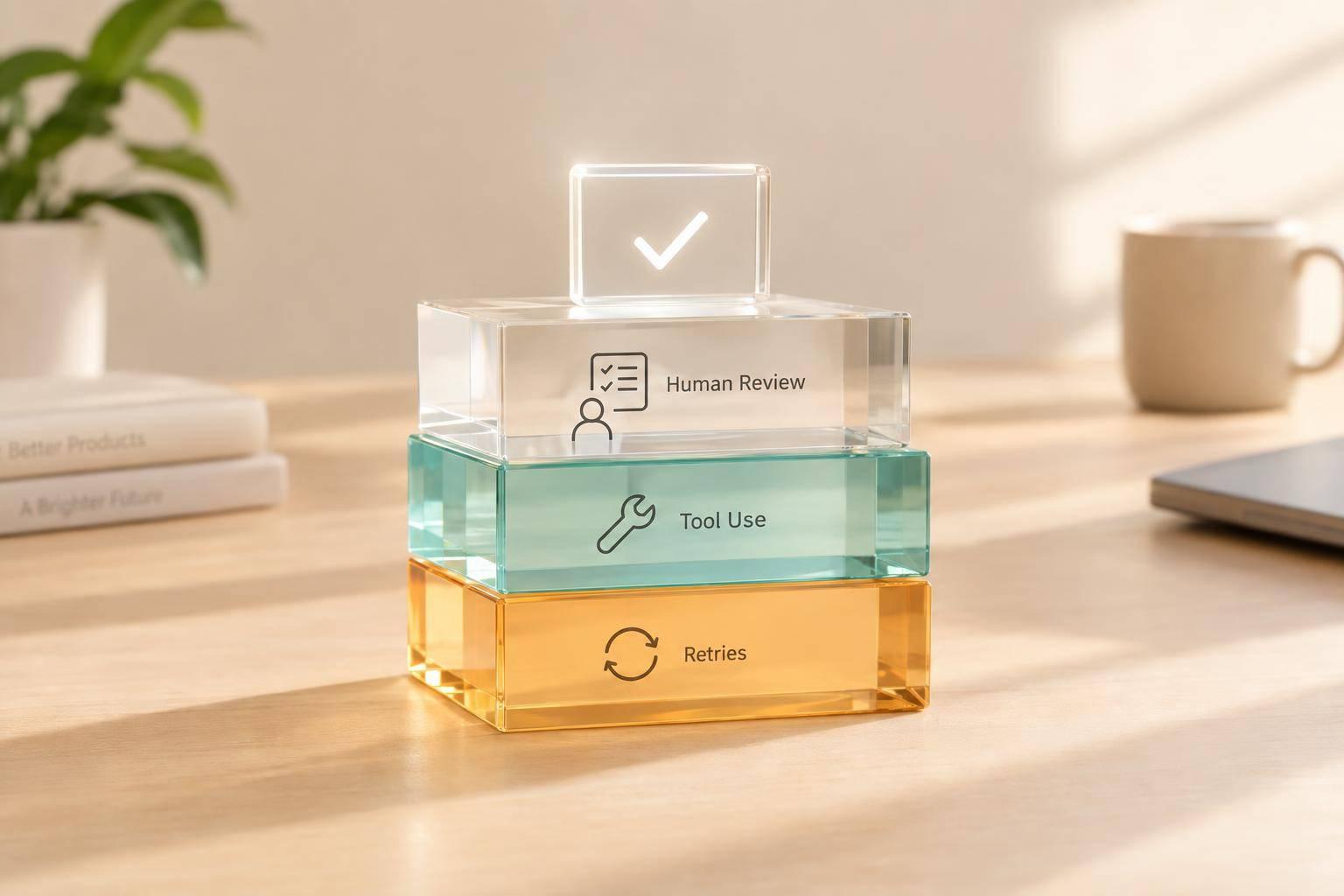
Measure AI agent cost as total delivery spend / accepted tasks — include retries, tools and human review to reveal true per-task cost.
Read more
Compare five preemptible VM models for render farms to find true cost per finished frame, accounting for retries and deadline risk.
Read more
GitOps for multi-cluster Kubernetes: use bases/overlays, labels for targeting, external secret references, and promote immutable releases.
Read more
Configure rolling updates, probes and cluster headroom so autoscaling can schedule surge Pods and keep Kubernetes rollouts zero‑downtime.
Read more
Use native cloud billing first; add open-source tools only to fill gaps for multi‑cloud, Kubernetes, governance or reporting.
Read more
Compare seven Kubernetes rightsizing tools by control model, automation and cost impact to pick a safe, practical fit for your team.
Read more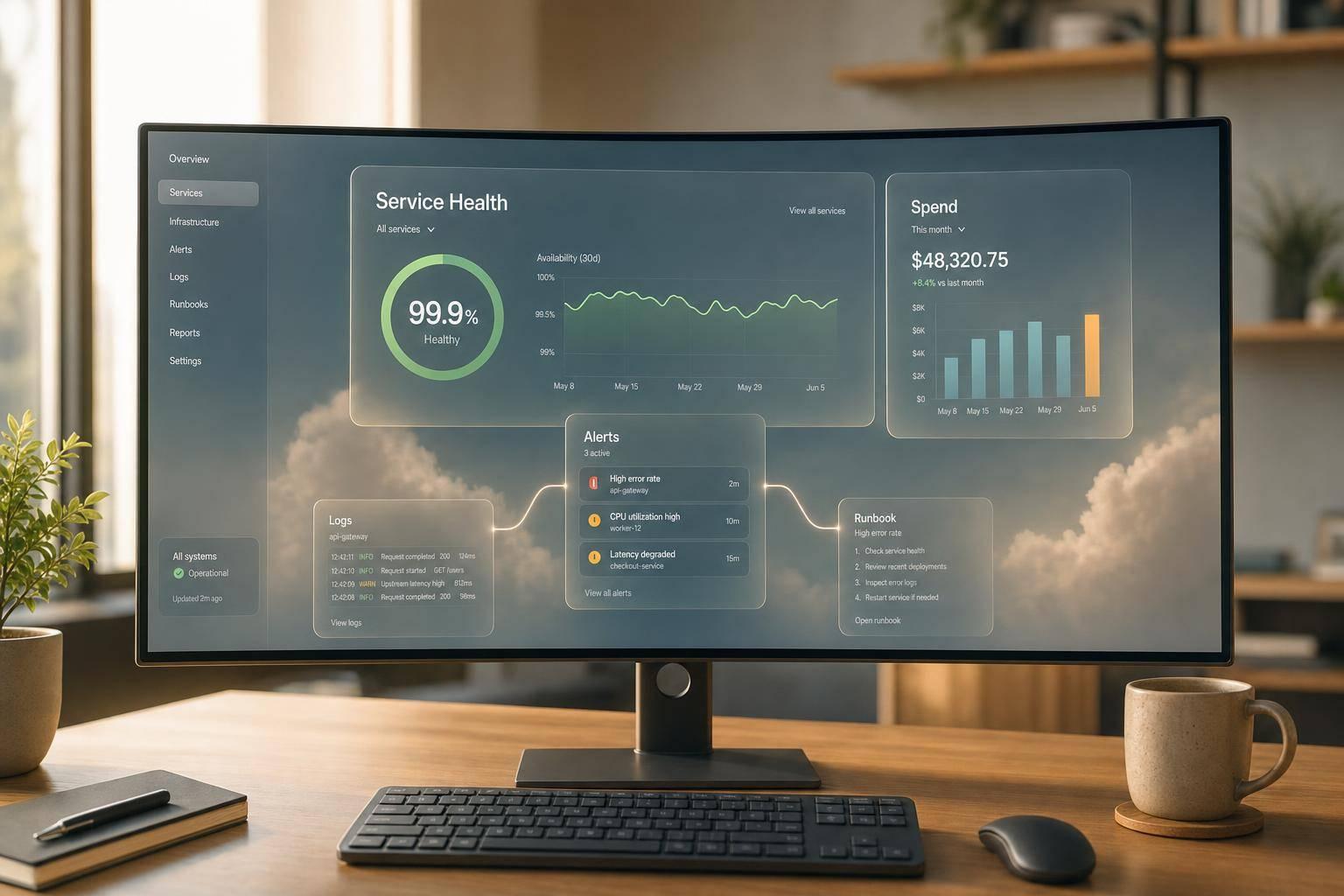
Design role-based cloud dashboards that prioritise service health and spend, link alerts to logs and runbooks, and reduce noise.
Read more
Compare shared vs dedicated CI runners by total delivery cost—minutes, queue delays, developer wait time and upkeep.
Read more