Event-Driven Orchestration for AI Agents
Route AI agent tasks by risk with event-driven orchestration: stateful workflows, approval gates, retries and observability.
Read moreBlog posts in the Compliance Management category

Route AI agent tasks by risk with event-driven orchestration: stateful workflows, approval gates, retries and observability.
Read more
Compare eight CI/CD security tools by what they scan, CI fit, data residency and governance for UK buyers.
Read more
Single policy model for AWS, Azure and Google Cloud covering ownership, classification, change control, access, retention and drift checks.
Read more
Six cross-account IAM patterns, controls and risks for AWS: CI/CD, logging, security tooling, data, break‑glass and vendor access.
Read more
Hybrid CI/CD assessment by deployment flow, self‑hosted execution, package governance, compliance and cost.
Read more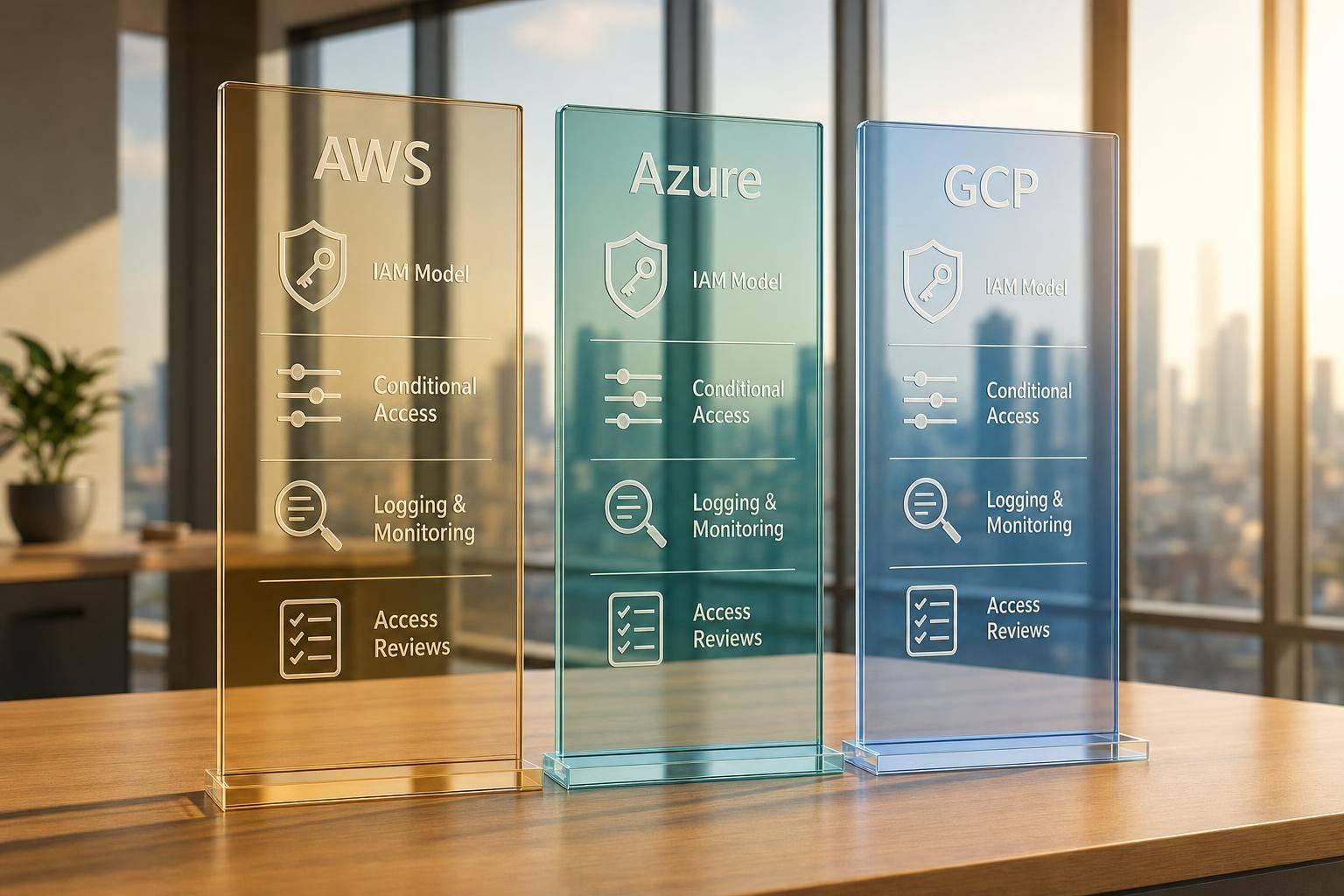
Compare IAM models, conditional controls, logging and access reviews across AWS, Azure and GCP to pick the right cloud identity approach.
Read more
AI selects, orders and maintains CI/CD regression tests to cut pipeline time and cost; humans keep control over high-risk releases and compliance.
Read more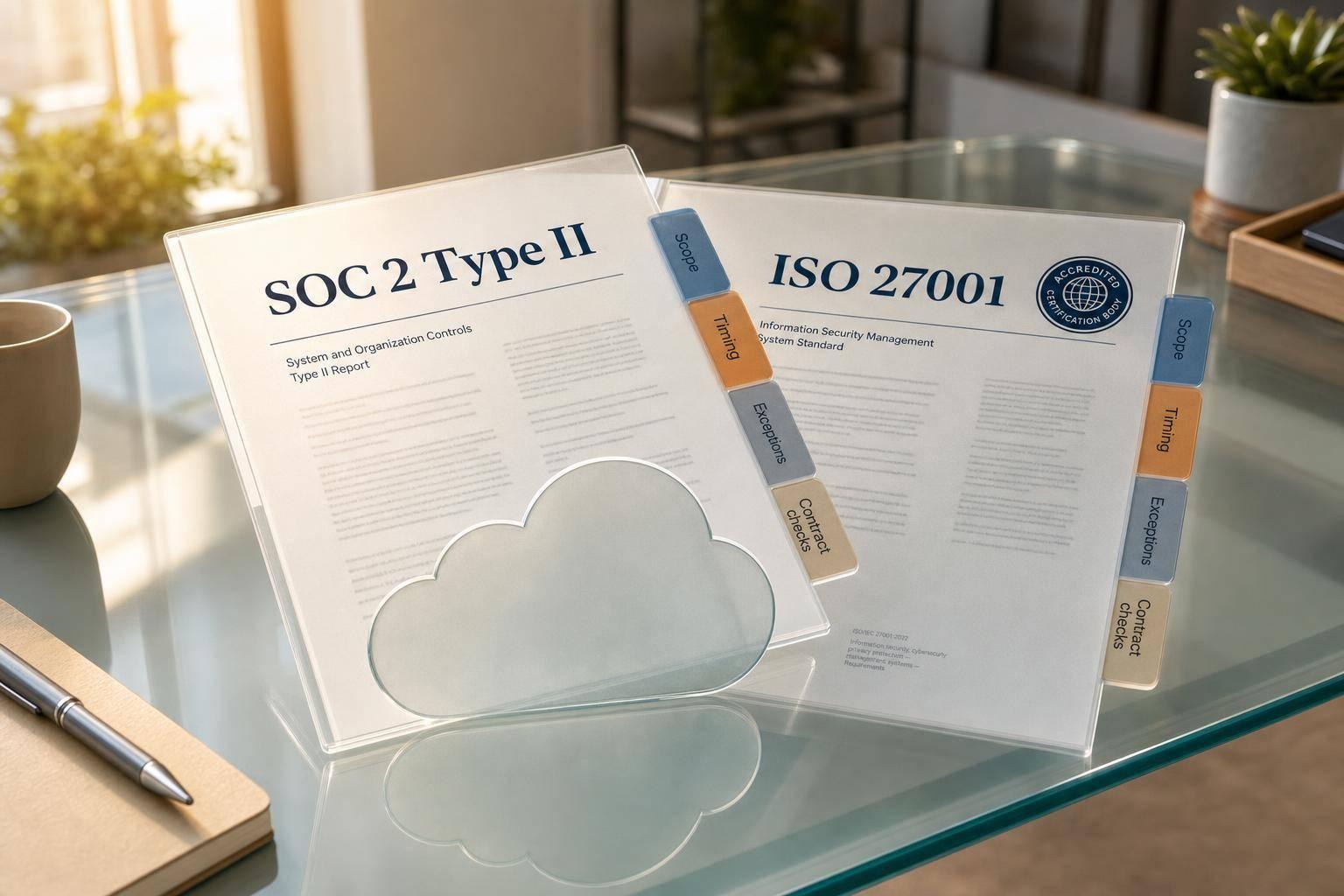
Compare SOC 2 Type II and UKAS-accredited ISO 27001 for cloud vendor deals: scope, timing, exceptions and contract checks.
Read more
Reduce GPU idle costs by running steady baseline capacity and bursting spikes to cloud; use spot GPUs, queue-led autoscaling and region controls.
Read more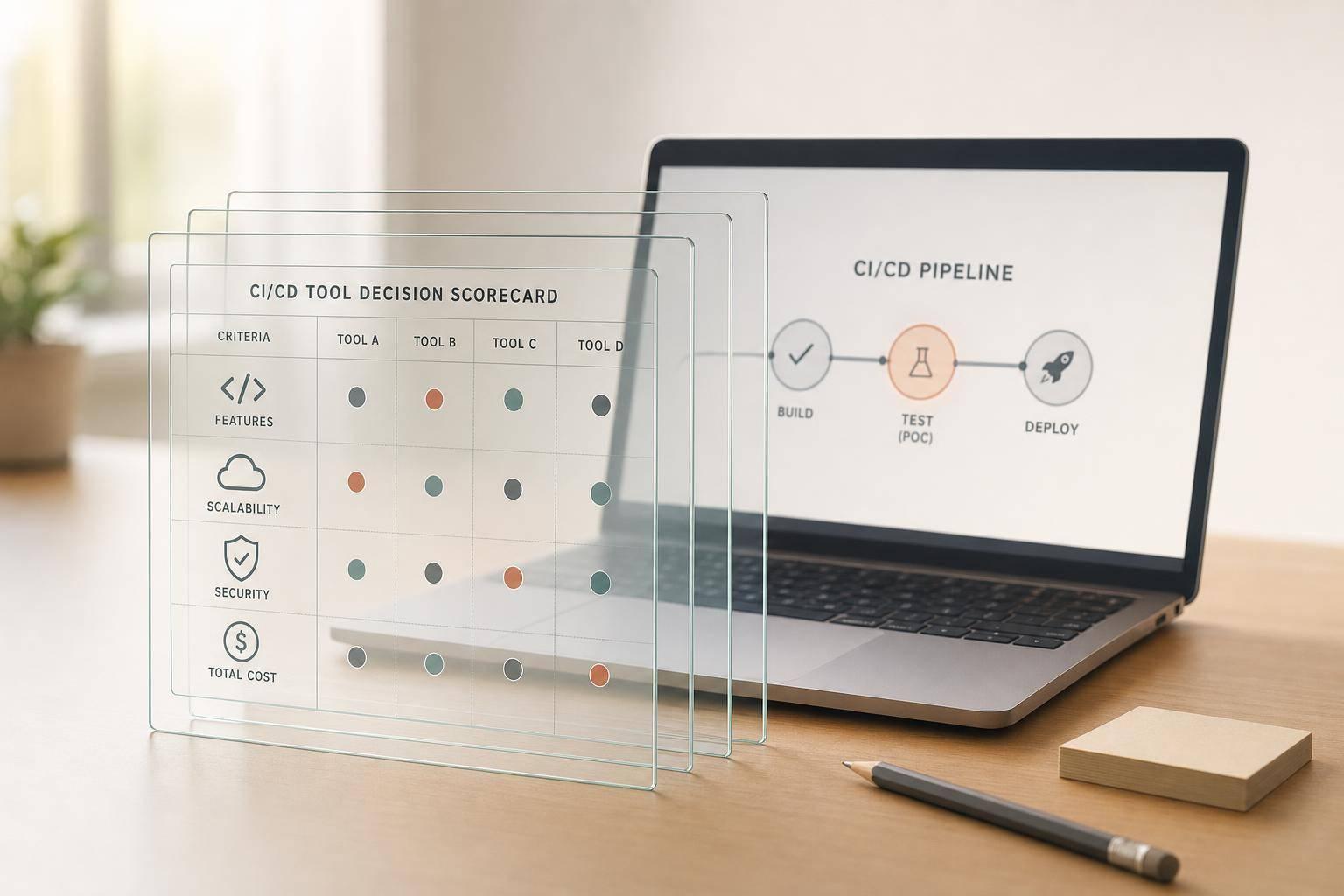
Match CI/CD tools to your stack, hosting, compliance and budget—use a scorecard, shortlist 2–4, and validate with a PoC.
Read more
Send Azure DevOps audit logs to Sentinel for longer retention, alerts and joined investigations; compare ingestion paths and setup checks.
Read more
Decide per-tenant or shared KMS keys, enforce tenant_id in every crypto call, separate admin/runtime, tag, rotate and monitor costs.
Read more