Edge Computing in Hybrid Cloud Recovery Plans
Place critical workloads at the edge, use cloud for off-site recovery, set RTO/RPO, automate failover and run regular DR tests.
Read moreBlog posts in the Data Protection category

Place critical workloads at the edge, use cloud for off-site recovery, set RTO/RPO, automate failover and run regular DR tests.
Read more
Hybrid cloud compliance holds when every control is defined, owned, logged and reviewed on a fixed cycle.
Read more
Build security into IaC pipelines: secure module defaults, secrets/state protection, policy-as-code, checks, drift detection and clear approvals.
Read more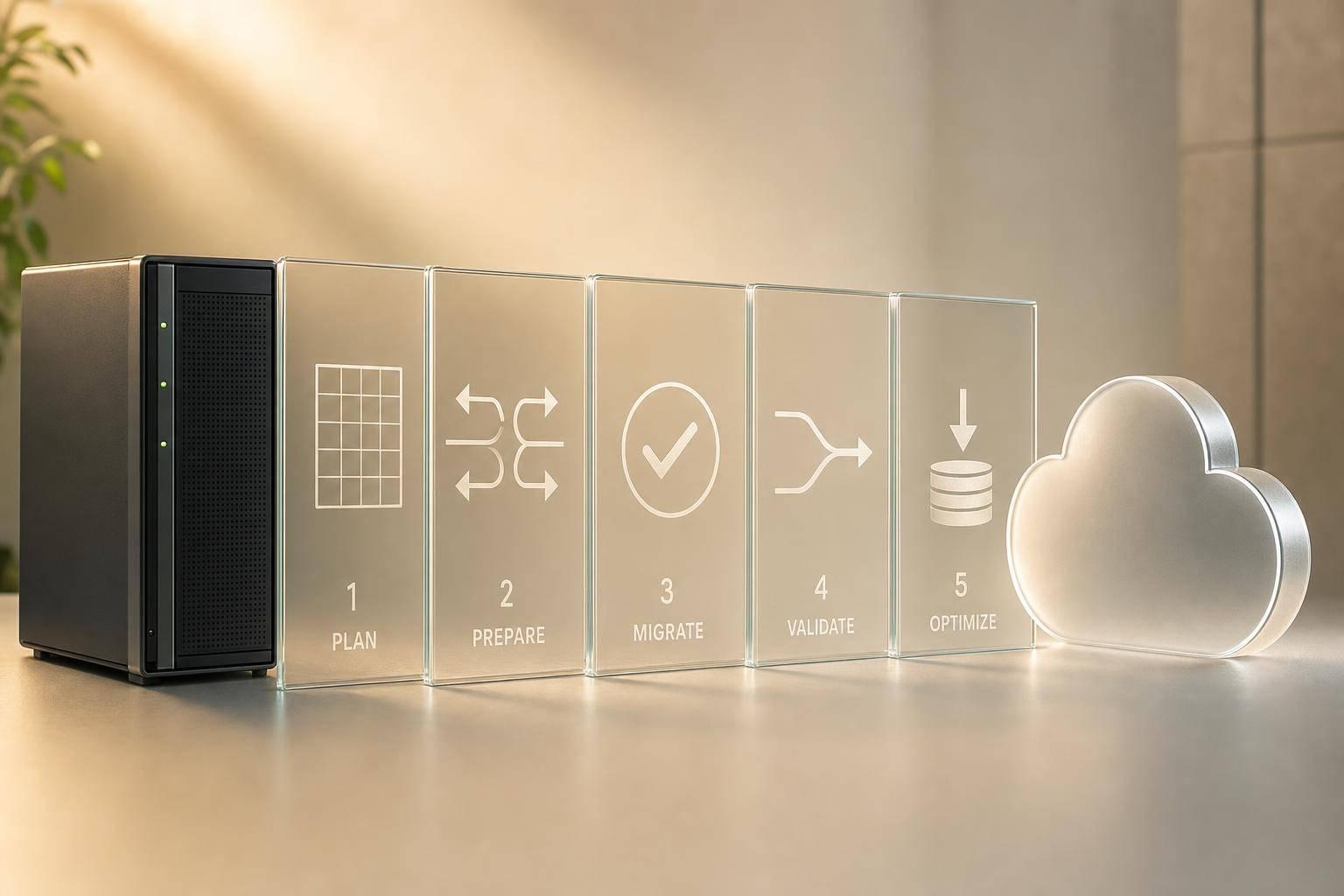
Plan data first, pick the right migration pattern, validate cutover with checks, enforce a single source of truth and optimise cost.
Read more
Third‑party CI/CD tools can expose secrets, enable mutable‑tag attacks and cloud takeovers; pin SHAs, adopt OIDC and enforce least privilege.
Read more
Split containers into purpose-built networks and deny-by-default rules to shrink audit scope and protect regulated data.
Read more
Short-lived JWTs, strict signature/iss/aud/exp/scope checks, correct OAuth2 flows (PKCE or client credentials), secure storage and monitoring.
Read more
Treat FIPS 140-3 as a delivery project: map crypto boundaries, verify CMVP module certificates, update KMS/HSM and automate change control.
Read more
Checklist for private cloud providers covering governance, BAAs, encryption, network segmentation, incident response and testing.
Read more
Prevent zero-trust enforcement failures in multi-cloud: unify identity, segment workloads, boost visibility and roll out policies gradually.
Read more
Seven key risks—drift, duplication, weak encryption, overprivileged RBAC, rotation gaps, CI/CD leaks and missing audits—and fixes.
Read more
Automated CI/CD pipelines speed delivery but risk access misconfigurations, leaked secrets, vulnerable dependencies and artefact tampering.
Read more