Hybrid Cloud Failover: How It Works
Hybrid cloud failover keeps services running by automating detection, replication and recovery across on‑prem and cloud environments.
Read moreBlog posts in the Data Protection category

Hybrid cloud failover keeps services running by automating detection, replication and recovery across on‑prem and cloud environments.
Read more
Centralise audit logs to reveal who did what, when and where—align retention, access and cost with compliance.
Read more
Legal, data‑sovereignty and compliance risks from hybrid cloud backups, plus practical controls to cut fines and liability.
Read more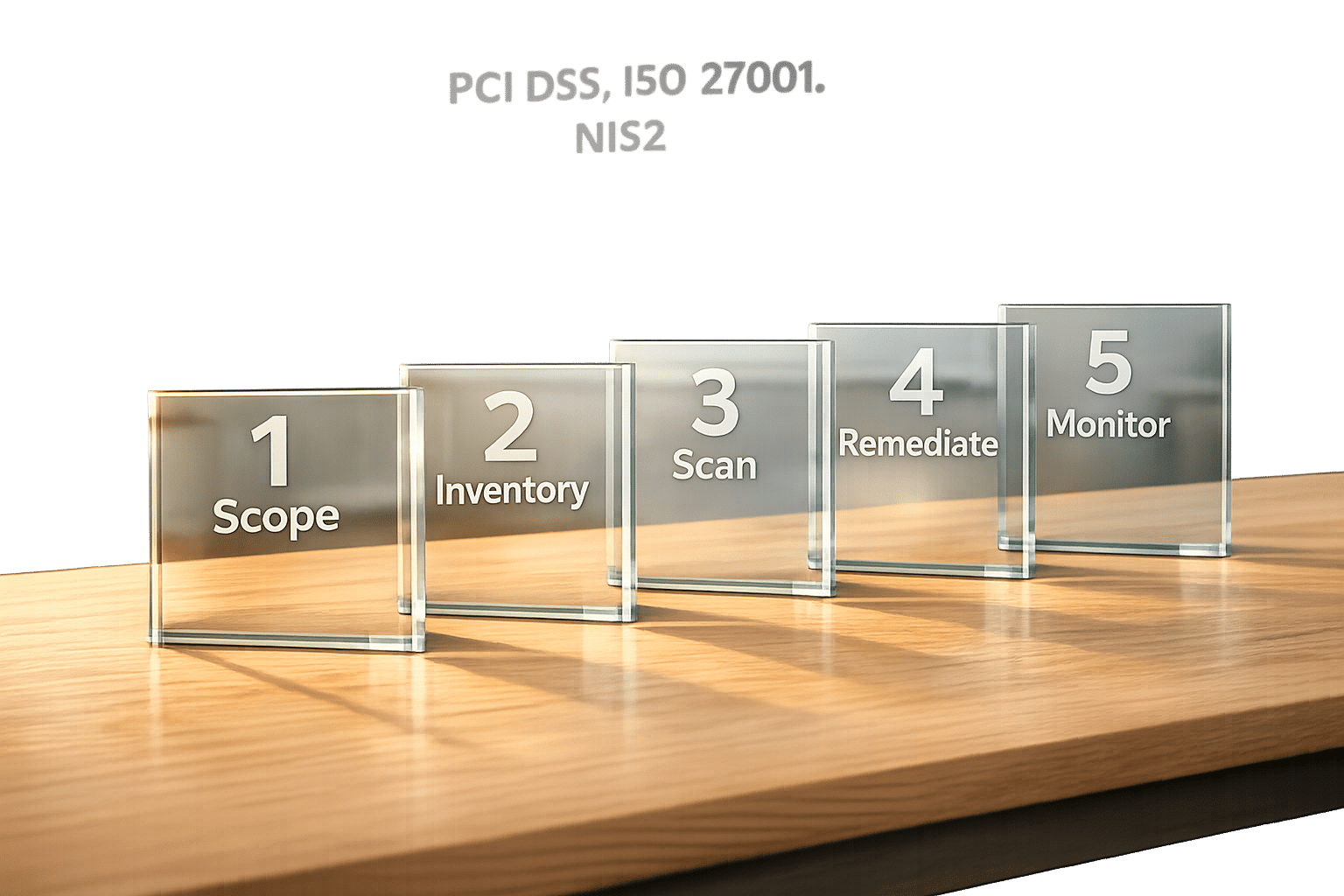
Five practical steps to align vulnerability scans with PCI DSS, ISO 27001 and NIS2: scope, asset inventory, scanning, remediation and monitoring.
Read more
Automate prioritised vulnerability fixes using asset context, risk scoring and SLAs to cut MTTR, validate remediations and reduce risk.
Read more
Checklist of uptime, support, security, costs, termination and monitoring questions to review before signing a cloud SLA.
Read more
Checklist to secure container image registries: RBAC, MFA, automated scanning, SBOMs, image signing, encryption and runtime monitoring.
Read more
Summarises FIPS 140-3 requirements, cloud impacts, security levels, key management changes and migration steps before 21 Sep 2026.
Read more
Centralise identities, enforce MFA, apply least privilege and automated IAM audits to secure hybrid cloud access and cut costs.
Read more
Step-by-step IAM policy checklist for PCI DSS: RBAC, MFA, least privilege, monitoring and audits to secure your cloud CDE.
Read more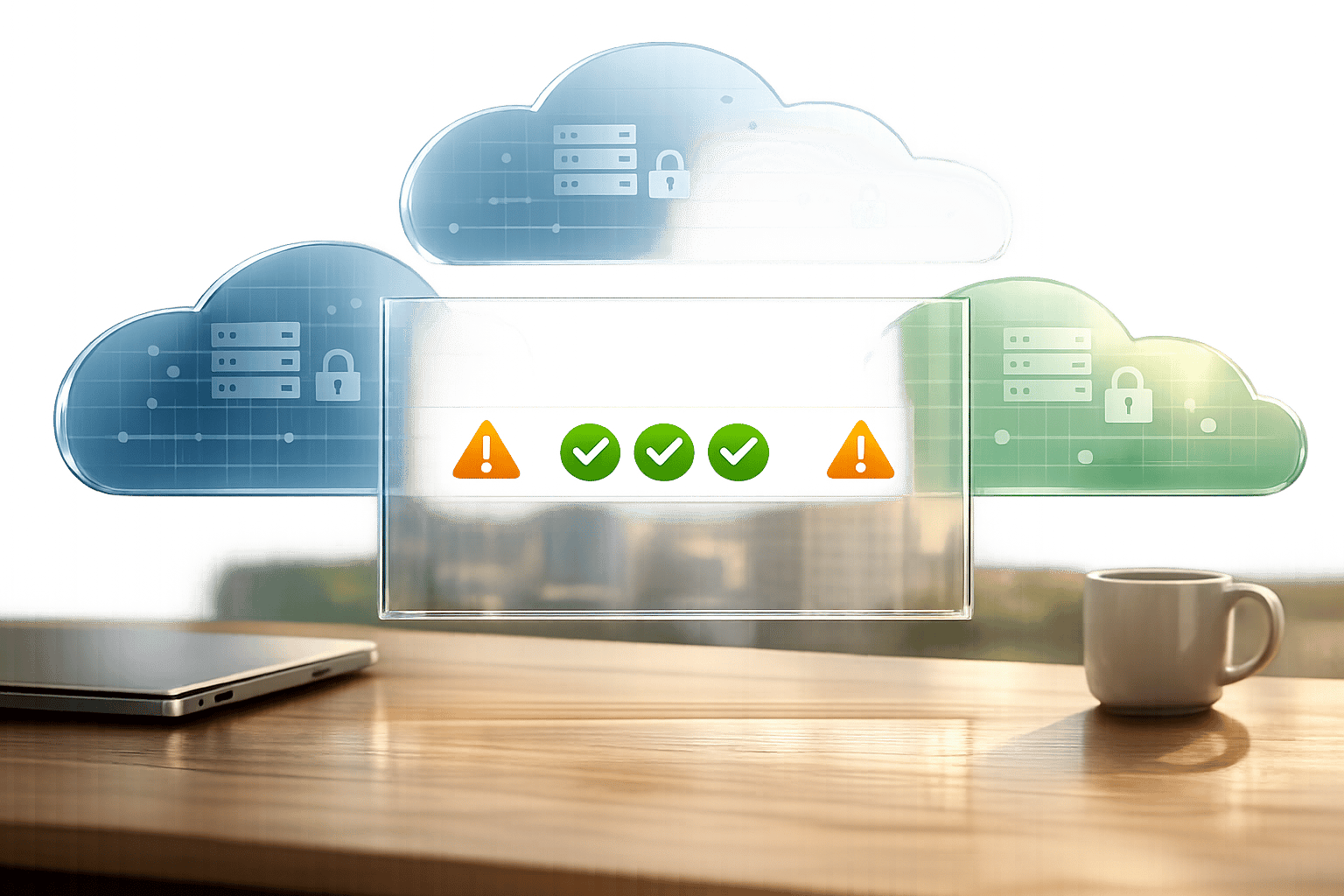
Centralise monitoring and automate detection to stop misconfigurations, IAM sprawl and compliance gaps across multi‑cloud.
Read more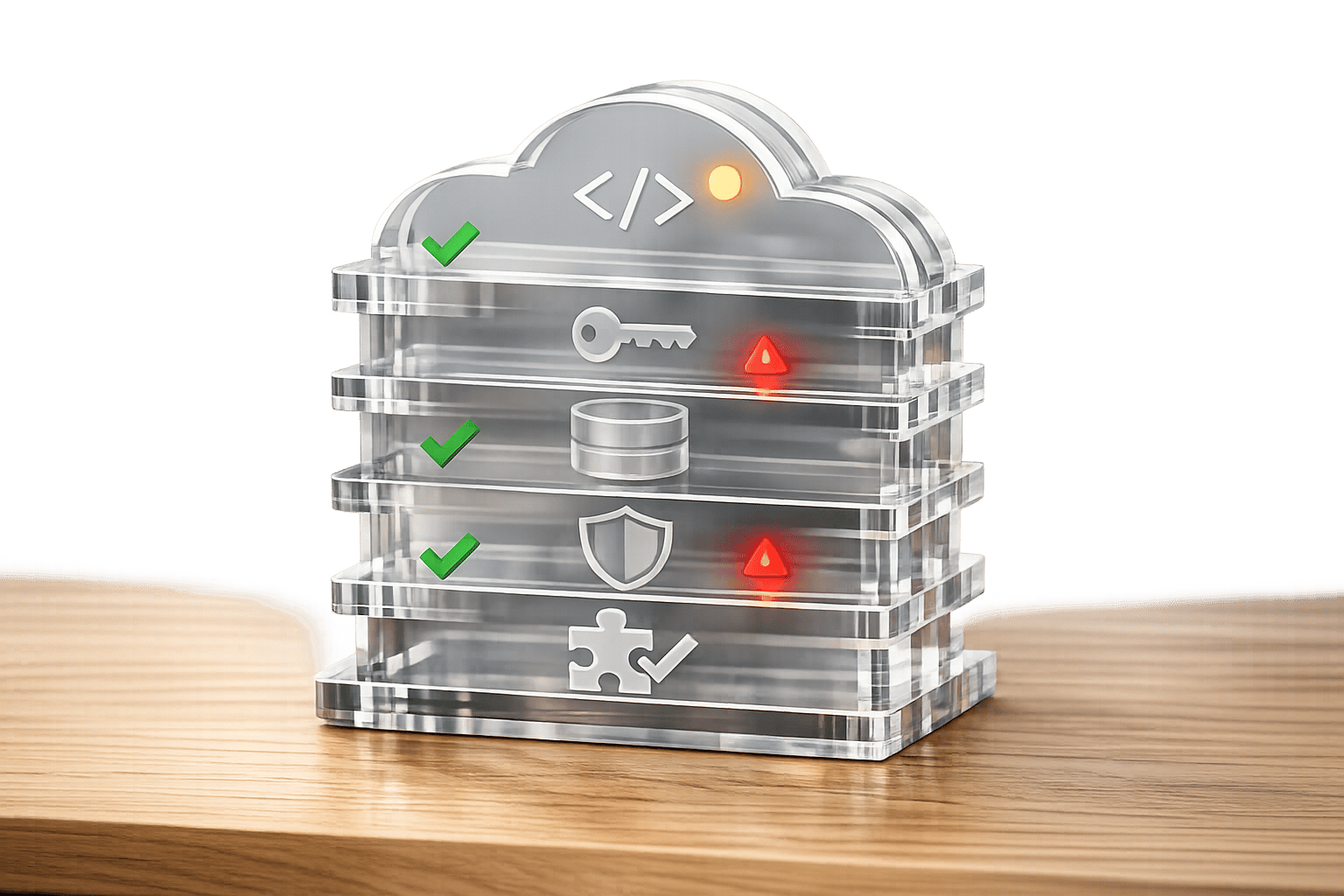
Pinpoint and fix IaC failures — hardcoded secrets, state issues, syntax and security misconfigurations, plus testing and modularisation.
Read more