Checklist for Load Balancer Configuration Best Practices
Practical checklist to configure resilient, secure load balancers: layer choice, backends, health checks, TLS, timeouts and failover.
Read moreBlog posts in the Devops Management category
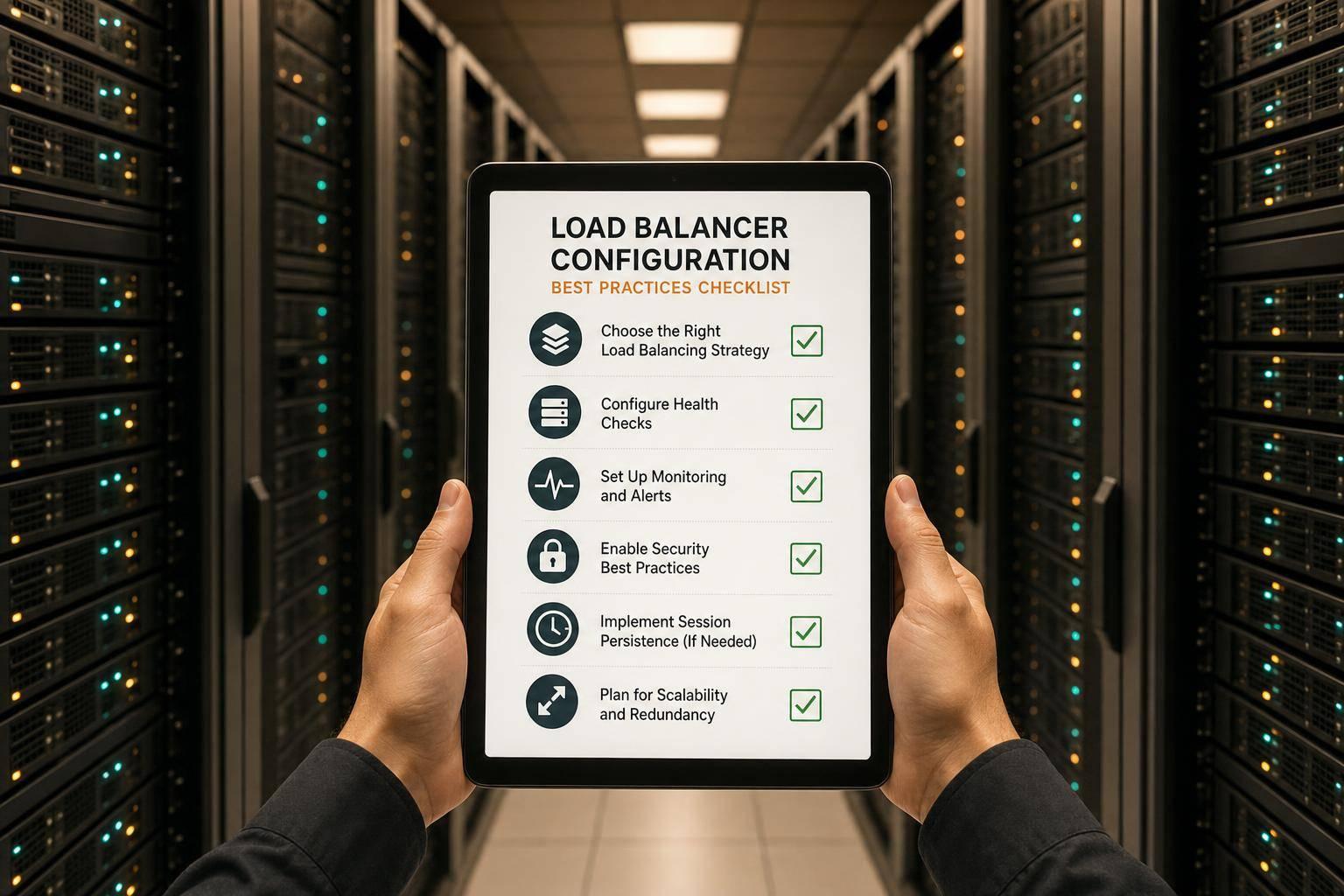
Practical checklist to configure resilient, secure load balancers: layer choice, backends, health checks, TLS, timeouts and failover.
Read more
Make multi‑cloud cost control repeatable: use IaC to enforce sizing, tagging, schedules and policy-as-code to cut wasted cloud spend.
Read more
Automate validation, image updates, drift reconciliation and policy checks to keep GitOps repos clean, low-risk and easy to maintain.
Read more
One pipeline per microservice, GitOps deployments, progressive rollouts and monthly £-per-service cost tracking for reliable CI/CD.
Read more
Set proper min/max capacity, use baked AMIs, choose workload metrics, enable 1‑minute monitoring and tune warmup for steady Auto Scaling.
Read more
Align access with cost ownership, protect tags and budgets, enforce separation of duties and run regular audits to reduce cloud waste.
Read more
Automate safe cloud deployments with Pulumi and GitHub Actions: preview PRs, protect production, use OIDC, rollbacks and cost controls.
Read more
If one fault can stop traffic, it's a design issue—align hybrid cloud topology to RTO/RPO with dual paths, auto failover and matched security.
Read more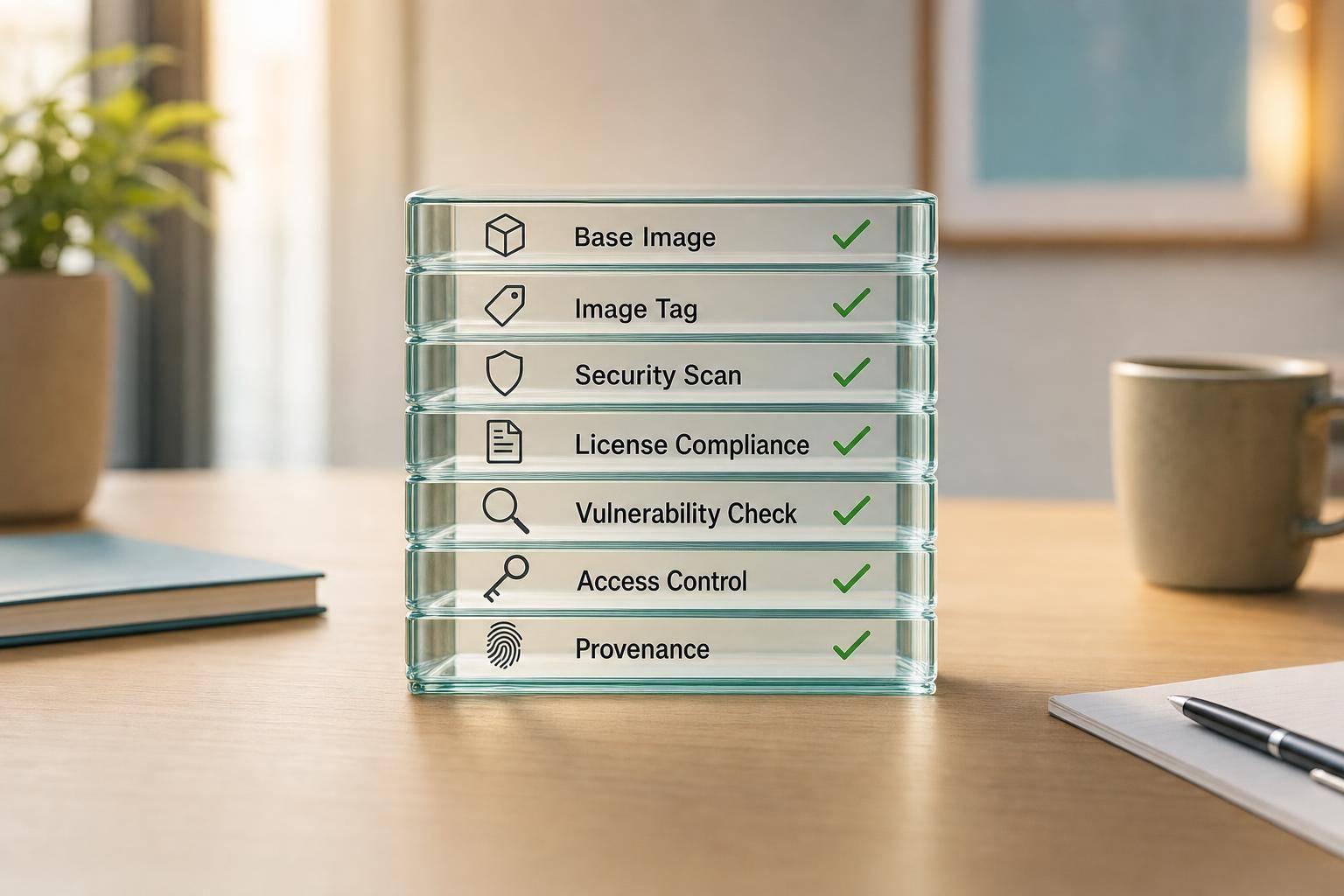
Enforce approved base images, version pinning, signing, SBOMs, non-root runtime, secret/CVE scans and digest-based deployments.
Read more
Don't buy the list price — compare CI/CD pricing models and factor hidden costs: compute, storage and engineer time.
Read more
Compare cloud KMS, HSM and control layers to plan post‑quantum key migration for long‑life data and regulated workloads.
Read more
Prioritise fixes by exploit likelihood, asset criticality, exposure and fix time — not CVSS alone.
Read more