How to Analyse Cloud Resource Utilisation
Measure CPU, memory, storage and network over 60–90 days, align monitoring with billing and tags, then act to remove idle cloud spend.
Read moreBlog posts in the Resource Allocation category

Measure CPU, memory, storage and network over 60–90 days, align monitoring with billing and tags, then act to remove idle cloud spend.
Read more
Treat isolation, quotas, autoscaling and cost reporting as one system to safely run shared Kubernetes clusters.
Read more
Automate tags, billing exports and allocation rules so every pound is assigned, unallocated spend drops and AAI reaches finance-grade 95%+.
Read more
Measure and cut service mesh compute and observability costs by scoping the mesh, right-sizing sidecars and trimming telemetry.
Read more
Explains Kubernetes requests vs limits, CPU vs memory sizing, QoS choices and rightsizing to balance cost and reliability.
Read more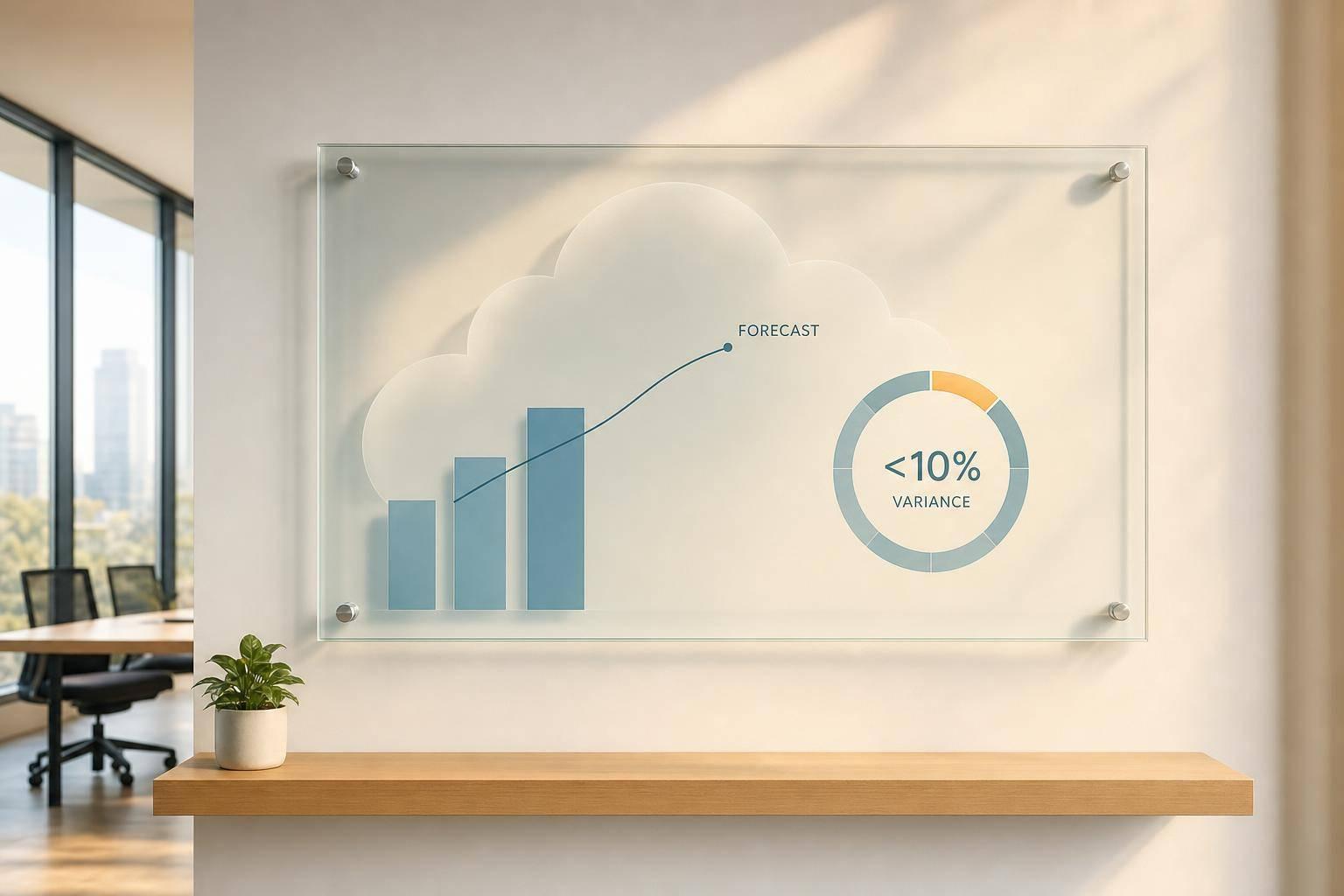
Good cloud forecasts start with accuracy metrics, clean allocation and fast remediation to cut budget variance under 10%.
Read more
Match Kubernetes allocation to workload: pack batch for high utilisation and reserve headroom for on-demand services.
Read more
Cost-effective serverless is about doing less work per request, cutting invocations, and monitoring platform and logging costs continuously.
Read more
Practical guide to allocating shared cloud costs: define cost objects, pick allocation drivers, choose usage/fixed/hybrid models and start with showback.
Read more
Commit to proven baseline compute, layer RIs and Savings Plans, and keep 20–40% on‑demand to balance savings and flexibility.
Read more
Compare five feature-selection methods to improve cloud cost forecasts, reduce complexity and boost accuracy.
Read more
AI forecasts demand to optimise multi-cluster Kubernetes scheduling—cutting cloud costs, improving GPU job throughput and enforcing UK data rules.
Read more