Reflexion Memory: How Agents Store and Reuse Lessons
How agents store, select and test reusable task lessons while enforcing tenant isolation, token budgets and validation.
Read moreBlog posts in the Model Evaluation category

How agents store, select and test reusable task lessons while enforcing tenant isolation, token budgets and validation.
Read more
Plan VRAM for 7B–70B LLM fine-tuning: compare full fine-tuning, LoRA and QLoRA, test peak allocations and budget headroom.
Read more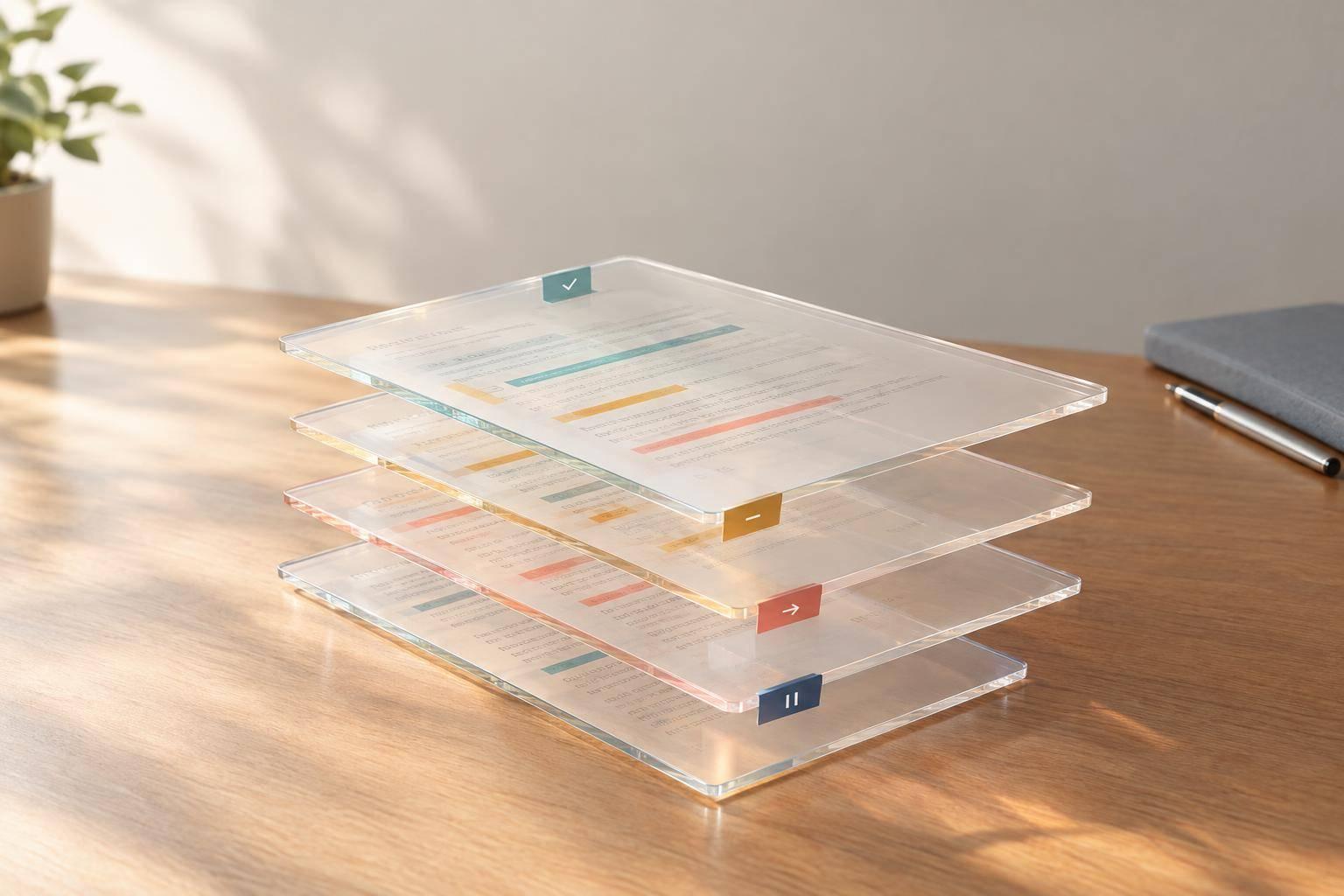
15 self-questioning prompts to verify RAG sources: map claims to passages, check conflicts and decide to answer, qualify, retrieve or abstain.
Read more
Flag label–embedding mismatches with deep k‑NN, quarantine suspected samples for review, and validate settings before removing data.
Read more
Start with measurable business targets, verify data and controls, run phased pilots and decision gates for safe AI deployment.
Read more
Measure £/successful answer and P50/P95 usable-answer time to decide when supervisor-led agent teams justify extra cost and delay.
Read more
Pilot success isn’t permission to launch; satisfy four gates—test coverage, user exposure, support ownership and failure limits—before production.
Read more
Merge only true duplicates: resolve AI memory conflicts by tracking source authority, validity dates and versioned audit trails.
Read more
Calibrate RAG abstention thresholds with retrieval, evidence coverage and uncertainty, using error costs to minimise business loss.
Read more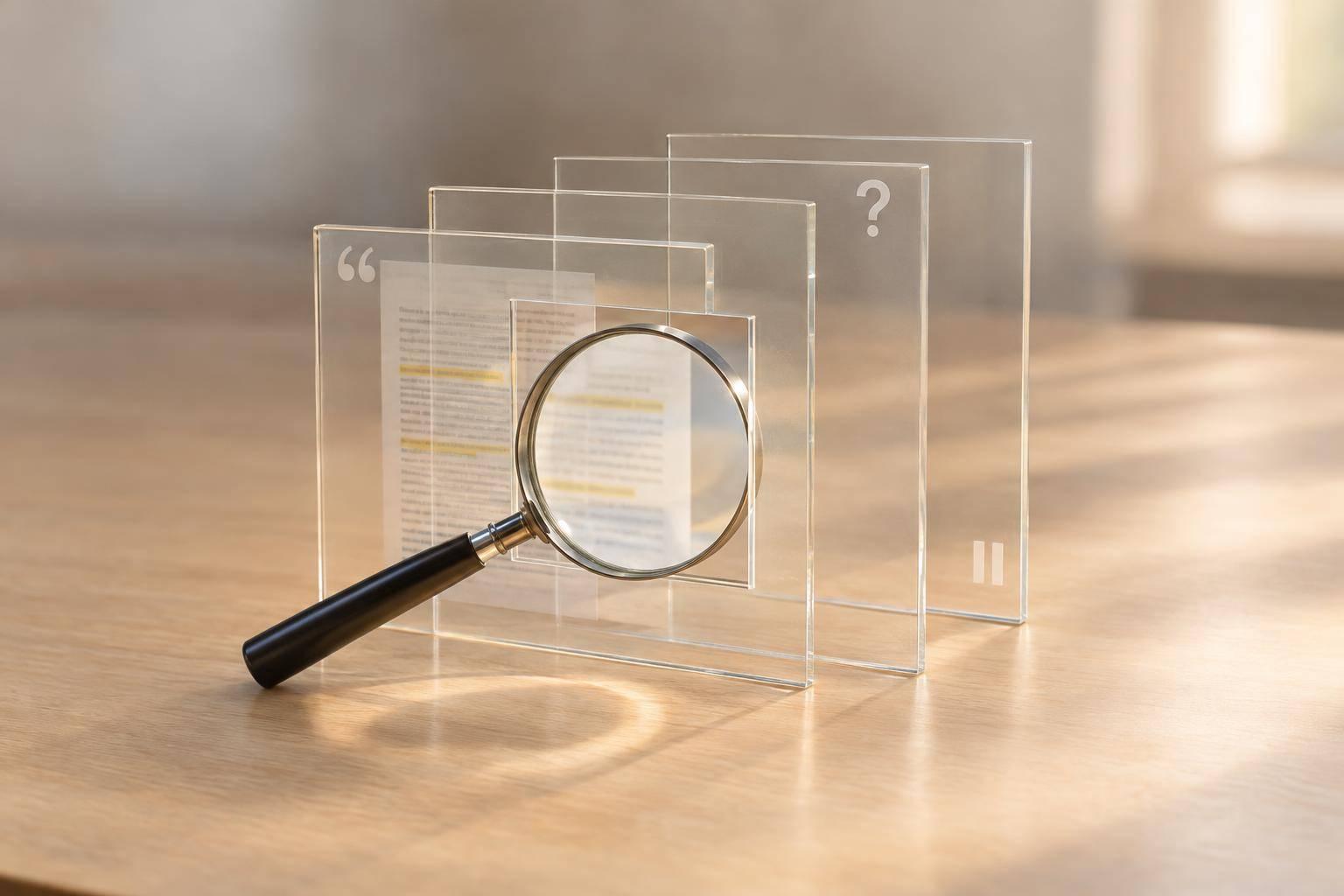
Four-step method to craft evidence-only prompts: cite sources, expose gaps, ask one clarifying question or abstain when unsupported.
Read more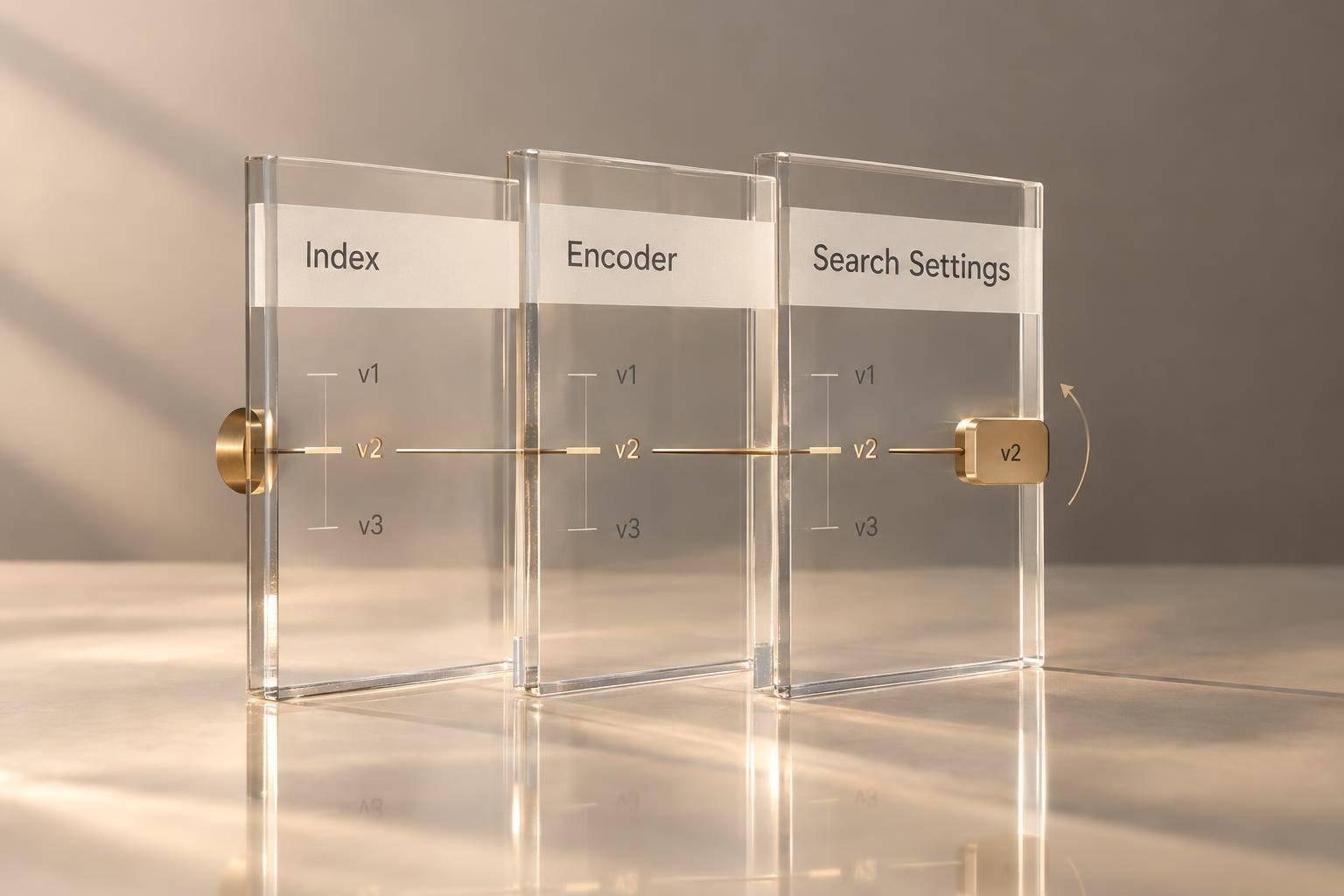
Version, test and roll back RAG indexes safely—restore index, encoders and search settings together to prevent compatibility drift.
Read more
Compare speech+pointing and text for object selection; use identify–confirm–act tests to measure accuracy, time, accessibility and recovery.
Read more