How Resource Quotas Reduce Kubernetes Costs
Resource quotas in Kubernetes enable cost control by managing resource allocation, preventing overspending and promoting efficiency for UK businesses.
Read moreBlog posts in the Resource Allocation category
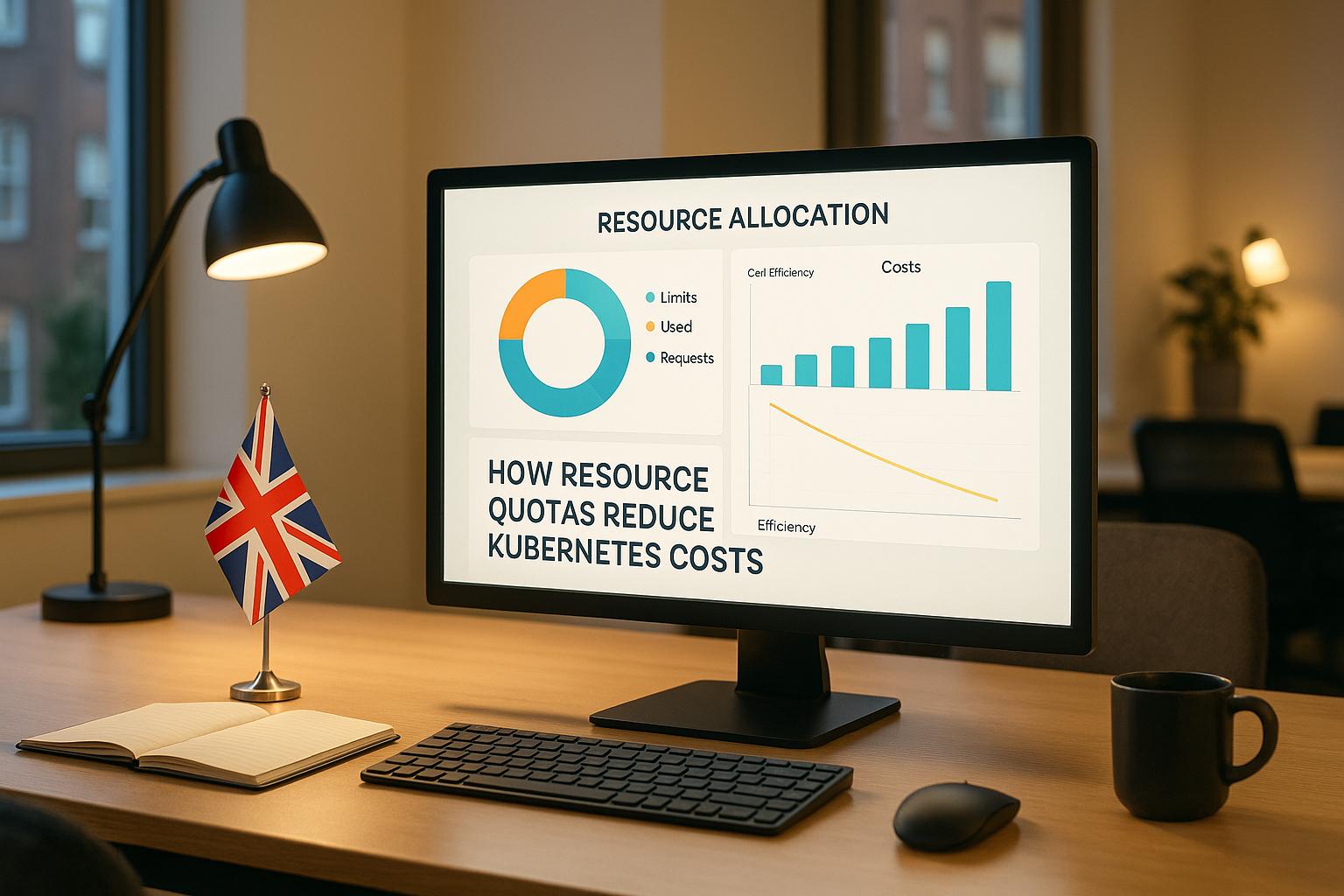
Resource quotas in Kubernetes enable cost control by managing resource allocation, preventing overspending and promoting efficiency for UK businesses.
Read more
Explore how static provisioning and dynamic scaling affect cloud costs, performance, and efficiency across multiple regions.
Read more
Explore solutions that leverage real-time metrics to enhance private cloud scaling, optimise costs, and improve resource management.
Read more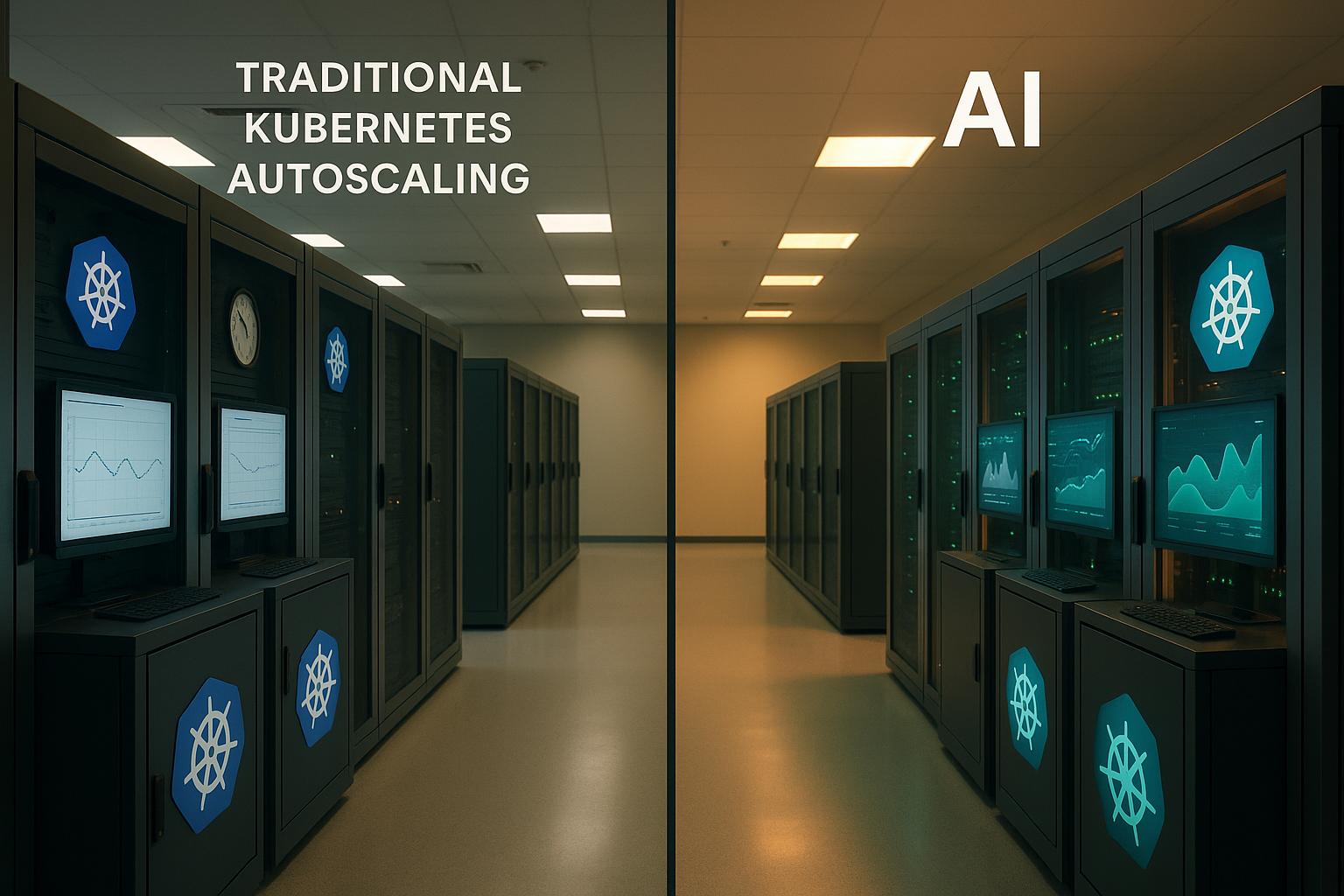
Explore the differences between traditional and AI-driven Kubernetes autoscaling, and how each method impacts performance and cost efficiency.
Read more
Learn how to effectively scale Kubernetes with Horizontal Pod Autoscaler (HPA) for cost savings, optimal performance, and sustainability.
Read more
Explore the different types of AWS Reserved Instances and their use cases for optimising costs and scaling workloads effectively.
Read more
Learn how predictive scaling optimises cloud resources and reduces costs by anticipating demand, ensuring efficient performance for UK businesses.
Read more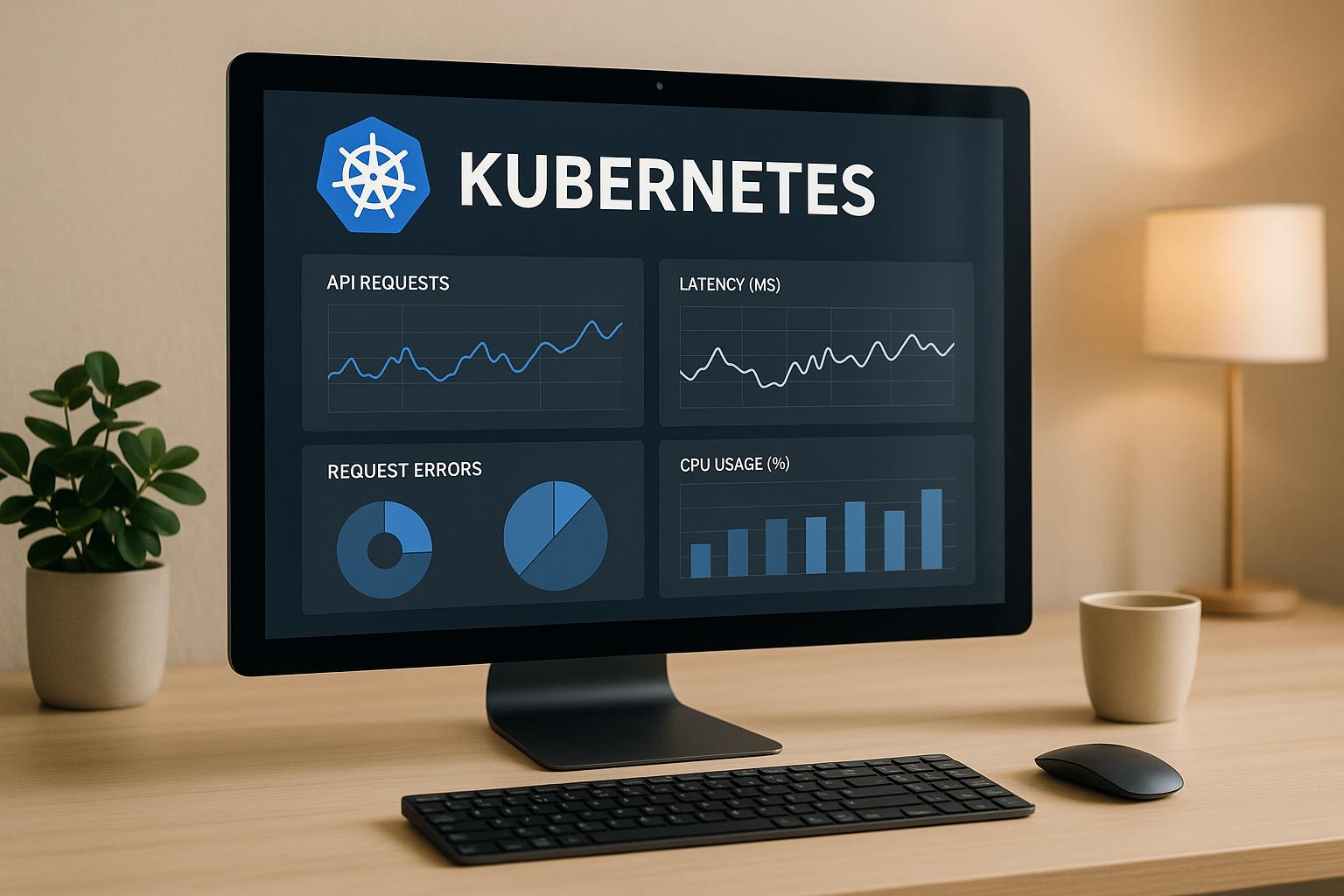
Effective monitoring of the Kubernetes API server is vital for cluster health, ensuring swift deployments and preventing costly downtime.
Read more
Compare reserved and on-demand cloud instances to understand their cost implications, flexibility, and suitability for your business needs.
Read more
AI is revolutionising seasonal cloud usage forecasting for UK businesses, enhancing accuracy, reducing costs, and enabling real-time adjustments.
Read more
Explore the cost and reliability trade-offs between spot and on-demand instances, and find the best strategy to optimise your cloud expenses.
Read more
Explore best practices for managing pay-as-you-go cloud pricing, focusing on monitoring, budgeting, and resource optimisation to control costs.
Read more